
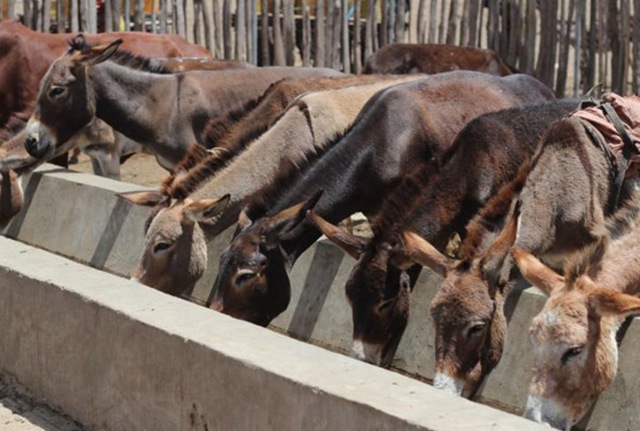
Ethiopia will start exporting donkey's meat, from its slaughterhouse in Bishoftu (Debrezeit) town, 48 kilometres east of Addis Ababa. Shandong Dong, a donkey slaughterhouse, has just opened after 80 million Br investment, moving it a step closer to starting export in the coming weeks. Owned by a private Chinese company, the abattoir is purpose-built to slaughter up to 200 donkeys a day. The meat will be exported to Vietnam while the hide will be shipped to China, where it is a key ingredient for ejiao, a local medicine that is used to treat a range of ailments from colds to insomnia, according to studies conducted by the Donkey Sanctuary, an international animal welfare organisation. This will be the first ever donkey slaughterhouse to become operational in Ethiopia. Besides Shandong Dong, another abattoir for donkey meat is also under construction in Assela, and is also owned by Chinese investors. The country, however, banned these kinds of abattoir after the introduction of a new law four years ago. "Except those registered before 2014, we don't approve of applications for such investments anymore as they are against values and the culture of the society," said Fitsum Arega, commissioner of Investment Commission. The advent of the global trade in donkey hide attributed to the growing perception of ejiao's efficacy. This medicine sells for up to $375 a kilogramme in the Chinese market, which is five times higher than the price a decade ago. Shandong has already slaughtered 300 donkeys since it started trial production two weeks ago. Founded decades ago, the company is known for its medicines, healthcare products, medical equipment and pharmaceutical necessities. E-Jiao and E-Jiao series products, under the brand name of Dong-E E-Jiao, are the core products of the company, which has 19 major subsidiaries globally. The company will employ 215 locals and will create an opportunity to amass revenue for farmers who will be supplying the abattoir with the animal. "For now, the company gets its donkeys from farmers who live near the factory in Bishoftu," said Debele. However, next year, the company has plans to breed its own donkeys in South Omo to supplement the ones provided by farmers. Ethiopian Revenues & Customs Authority (ERCA) has already set up an office inside the company's plant, fearing that the meat may be supplied to the local market. Ethiopia is known for its livestock population, the highest amongst all African nations. The same trend holds true for donkey populations, which is estimated at 7.4 million in 2016. Donkey slaughtering is not new to Africa. Kenya leads the way after establishing the first ever donkey slaughterhouse in Africa. The plant was set up a year ago with $3.3 million capital. It is currently the only such facility in Kenya and owned by a Chinese businessman, Lu Dongli. There are also government-owned donkey slaughterhouses in Namibia, Botswana and Tanzania. This is largely due to a surge in demand for donkey hide, and a decline in donkey populations in China. Donkey Sanctuary, a UK based firm that studies the global trade of donkeys, found out that the Chinese donkey population has fallen by more than 50pc to below six million. The major reason for the drop, according to Donkey Sanctuary, is a surge in demand for the skin and meat. The same study indicates that Dong'e, a Chinese state that produces ejiao, has a farm with a capacity of 10,000 donkeys, which are used primarily for their skin. Statistics from the report indicate that 1.8 million donkey skins are traded across the world every day. In the long term, the donkey trade might create social and an economic upheaval in Ethiopia as transportation of commodities mainly depends on donkeys.
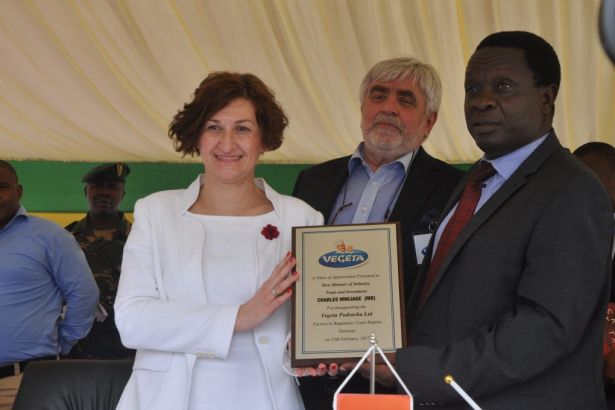
Croatia's Podravka Opens Factory In Tanzania
folder_open News
Reputed Croatian food processing company Podravka has opened its first factory in Africa as part of its African expansion strategy. The Vegeta Podravka Ltd Tanzania factory in Bagamoyo with a €4 million investment, has a total surface of 17,000 square metres and will employ 20 workers. The factory will produce the iconic Vegeta condiment, consisting of a mixture of salt with flavour enhancers, spices and various vegetables. Podravka started analysing the potential of the African market in 2014 and Tanzania revealed itself as the most favourable for business, due to its position, infrastructure, economy growth, but also its membership in trade associations. Podravka's aim is to grow in international markets in the next five years, both organically and through strategic partnerships with local companies. It currently exports to more than 60 countries, has 15 own companies in various markets and 17 production facilities in four countries. During the construction phase, Podravka started marketing imported products from Croatia to present them to potential customers. It analysed local consumer habits, trends, food preparation tradition and legislature, selecting a potential range of products that were subjected to tests, tastings and registration procedures. According to Podravka management board member Olivija Jakupec, the company's products are available in all the modern chain stores and shops in Tanzania, while a wide range of products are also available in Kenya, Zambia and Uganda.
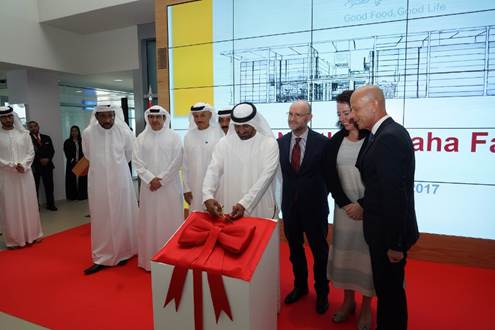
Nestlé Middle East Inaugurates Al-Maha Factory in Dubai South
folder_open Foodstuff Market , Industry Reports , News
Dubai, 16 May 2017: Nestlé Middle East’s 18th factory in the region has been inaugurated in Dubai South by His Highness Sheikh Ahmed Bin Saeed AL Maktoum, President of the Dubai Civil Aviation Authority, Chairman Dubai Airports, and Chairman & Chief Executive Emirates Airlines & Group; and in the presence of Marco Settembri, Executive Vice President Nestlé SA and Head of Zone Europe, Middle East and North Africa. “Dubai South offers strategic advantages that make it an ideal and attractive destination for leading multinationals,” said H.H Sheikh Ahmed. “It is an important component in Dubai’s vision to provide a comprehensive platform that caters to the needs of aviation, air transport, commercial, and logistics businesses.” “Nestlé has been the early mover to Dubai South having realized its potential as the economic platform for the future. They have leveraged our excellent infrastructure and ease of doing business to further grow their business. We’re delighted to see Nestlé growing stronger in the region,” said H.E. Khalifa Al Zaffin, Executive Chairman of Dubai Aviation City Corporation and Dubai South. “The Al-Maha factory underlines our commitment to our customers, our willingness to invest and create jobs, and our ambition to minimize our environmental impact,” said Marco Settembri. “This US$ 145 million investment is Nestlé’s 18th production site in the Middle East and another milestone in our more than 80 years in this region. It shows our confidence in Dubai and the United Arab Emirates as a dynamic, stable and competitive business hub, and our long-term commitment to the people of the Middle East.” The new factory employs 340 men and women stemming from 20 different nationalities. Sixty percent of the team is under 30 years old. Nestlé already operates two other factories in Dubai Investment Park, one for Nestlé Waters, and another – Nestlé Dubai Manufacturing – covering KITKAT, MACKINTOSH’s Quality Street, and NIDO products. “Nestlé Al-Maha is yet another way for us to meet our commitment to the Middle East,” said Yves Manghardt, Chairman and CEO Nestlé Middle East FZE. “Manufacturing locally enables us to source locally, invest locally, make tailored products to better meet local needs, and serve communities in the region more rapidly and more effectively.” The new factory has already achieved outstanding results with regards to safety, with zero accidents during the construction period. It also met the stringent Nestlé quality standards from the very first production run. Nestlé Al-Maha holds the Halal certification of the Emirates Authority for Standardization and Metrology (ESMA). It runs on 100% LED lighting, which consumes nominal energy, is fully insulated to save air-conditioning energy, recycles 100 per cent of waste from products and raw materials, reaching zero waste for landfill, implements water saving mechanisms, and has an ambition to operate on solar-generated power. The Factory also includes a permanent exhibit, showcasing the role Nestlé plays in society. Some examples in the Middle East are the Nestlé Healthy Kids Program – Ajyal Salima, now in five countries in the region where it has reached over 40,000 children to date; and United for Healthier Kids that has mobilized so far over 580,000 joiners to nurture healthier generations. The exhibit also features high-tech tools; including iPads and Oculi, allowing 360-degree virtual visits of farms around the world from which raw material is sourced for products. It also provides special presentations for students on site, and offers digital guides for career development and enhancement for Youth. [alert color="green" type="alert-message-background" title="About Nestlé Middle East" size="big"]Nestlé Middle East’s heritage goes back 80 years to 1934 when the first import operation was set up in Lebanon. Today, Nestlé Middle East owns and operates 18 factories and provides direct employment to more than 11,000 employees who are all committed to Nestlé’s purpose of enhancing quality of life and contributing to a healthier future. It also provides indirect employment to several thousand more. The Nestlé portfolio in the region currently exceeds 60 innovative product brands in a wide range of categories: dairy products and infant nutrition, bottled water, chocolate and confectionery, coffee creamers, breakfast cereals, and culinary products, among others. Nestlé Nido, Nestlé NAN, S-26, Progress, Maggi, Nescafé, Kit Kat, Coffeemate, Nestlé Cerelac, Nestlé Pure Life, Nespresso and Nestlé Fitness are just some of the brands available in the Middle East.[/alert]
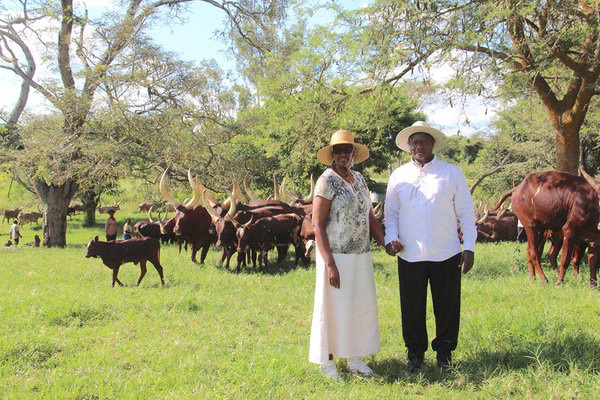
President Museveni has promised to allot 27 square miles of land in Mbarara District to a United Arab Emirates investor to set up model farm in the country. The investor, Dr Ahmad Eltigani Al Mansouri, will bring in new technology to fertilise cows that produce high milk, according to a press release from State House. The President reportedly promised to allocate the free land during a meeting on Friday at State House Nakasero. Dr Eltigani had called on President Museveni to discuss investment opportunities in the country. Dr Eltigani is also member of the Chamber of Commerce of Sharjah and the Chief Executive (CEO) one of UAE's largest dairy companies, Al Rawabi. According to a press release, the meeting which was attended by the State minister for Animal Industry, Joy Kabatsi, Uganda president Uganda Chamber of Commerce, Olive Zainab Kigongo, and Secretary to the Treasury, Keith Muhakanizi, also touched on other investment opportunities in different sectors. Kabatsi confirmed attending the meeting and said the investor plans to set up a model farm in the country. She said the model farm will be established in Nsala, a government land near Mbarara town. The minister noted that Dr Eltigani is introducing technology where a high milk producing cow is injected with some medicine which will make it produce many eggs. The eggs are then fertilised by a similar bull from a good milk producing herd and then the eggs are implanted in several other cows. She said this will increase the number of the high quality milk producing cows. “We are trying to do this for our local Ankole cow… we are going to have those cows deliver more and more. We hope this technology will help us to preserve our local Ankole cows,” Ms Kabatsi said. According to her, through the technology, a single cow can produce more than 50 calves of high milk producing gene. According to the minister, the technology is aimed at preserving the Ankole cows and ensure that those that produce more milk are not eliminated. She said the technology will be rolled to other parts of the country where good quality animals will also be selected for both meat and milk production. She added that through the technology, one cow can produce up to 50 calves within nine months. While the model farm will host the initial process, the target is to reach about 6,000 farmers who will benefit from the technology. On why the investor is coming at a time when the President has just returned the Biosafety Bill 2017 to Parliament over concerns on the local genes and a host of other issues, she said the technology will not modify anything, but simply working with the natural genes. “No no no, we are not modifying anything, we are just using our own genes, but only improving the quality,” she said. President Museveni assured him that the Government of Uganda will locate land to the investors on which more of such model farms for modern farming and factories for food and fruit processing will be built
Ethiopia to export livestock to Egypt
folder_open News
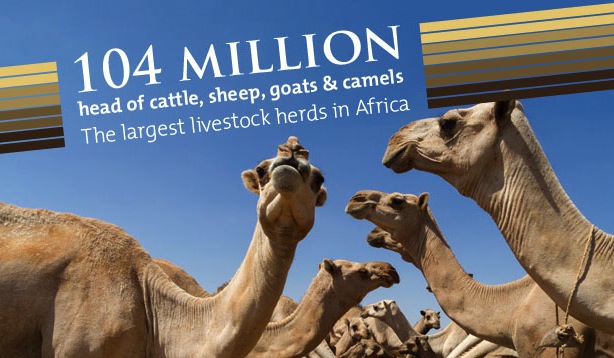
Ethiopia has signed an agreement with an Egyptian company, Trust for Trading and Transport permitting it to export live animals. Under terms of the agreement, 350,000 live animals will be exported to Egypt over two years. Livestock products, leather, meat and live animals are among the top exports for Ethiopia, which has the largest livestock population in Africa. Alebachew Nigussey, state minister of livestock and fishery said that the agreement was a step forward in enhancing trade ties between the two countries. The Ethiopian Live Animals' Exporters Association, Rimon General Trading PLC and Alfoz Private Limited Company signed the agreement with Trust for Trading and Transport. According to government statistics, there are approximately 50 million cattle, 50 million goats and sheep, plus an assortment of horses, donkeys, camels and chickens. Ethiopia’s commercial red meat (beef, mutton and goat) industry has made remarkable progress to date and shows considerable growth potential for the future. Investments in meat processing, especially those that are focused on exporting value-added products abroad is an excellent business opportunity in Ethiopia. There are opportunities to manufacture livestock products for both local and export markets. Local demand for meat, milk and eggs is growing as the economy and population grow. This growth is expected to create investment and trade opportunities for certain commodities and open doors for veterinary and other livestock services. The rapid growth in demand for meat products in the world represents a potential opportunity for livestock-rich countries like Ethiopia. This, Ethiopia is well-placed to lead Africa in harnessing the contribution of the livestock sector to maximize food and nutritional security, reduce poverty and develop sustainable farming.
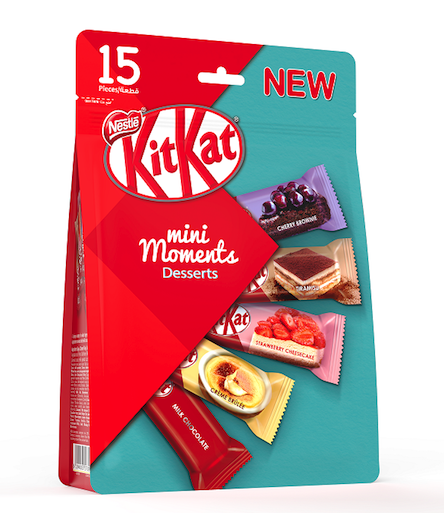
KITKAT announced the launch of the first of a kind KITKAT Mini Moments Desserts in the Middle East featuring four unique flavors inspired from some of the most renowned desserts in the world. The new mini chocolate bars are produced locally in the UAE with a mini portion, same indulgent taste and sourced from 100% certified sustainable cocoa. KITKAT Mini Moments Desserts now brings consumers favorite desserts in the region in individually wrapped mini chocolate bars featuring Cherry Brownie, Strawberry Cheesecake, Crème Brulée, and Tiramisu flavors with no more than 90 calories in each bar, hence maintaining the same great taste as ever. The new bars will be available in packs of 15 bars each and will be distributed in UAE, KSA, Kuwait, Lebanon, Jordan, Oman and Bahrain. Simone Touma, Business Executive Officer of Confectionery at Nestlé Middle East said: “For over eight decades, KITKAT has been a favorite chocolate brand among people of all ages, and to be able to launch the Middle East’s preferred dessert flavors is the icing on the cake. Thanks to the local manufacturing that drives innovation, Nestlé Middle East has now achieved almost 20 innovations in the region alone for Confectionery products over the past 5 years. And the launch of the new KITKAT Mini Moments Desserts has established our perpetual efforts to push our confectionery business with consistent innovations as we continue to further reduce sugar in all our products.” These nutritional changes are part of Nestlé’s ongoing commitments and efforts towards continuous product reformulation for healthier options including reduction of salt, saturated fat, sugar, and smaller portion sizes. The new launch of KITKAT Mini Moments Desserts flavors complement the brand’s portfolio of KITKAT Mini Moments bars of crispy wafer and smooth luxurious fillings that were launched in the past three years in the Middle East, and has Cookies n Cream, Caramel, Milk Chocolate, Mocha, and Hazelnut flavors. About Nestlé Middle East Nestlé Middle East’s heritage goes back over 80 years to 1934 when the first import operation was set up in Lebanon. Today, Nestlé Middle East owns and operates 18 factories and provides direct employment to more than 13,000 employees who are all committed to Nestlé’s purpose of enhancing quality of life and contributing to a healthier future. It also provides indirect employment to several thousand more. The Nestlé portfolio in the region currently exceeds 60 innovative product brands in a wide range of categories: dairy products and infant nutrition, bottled water, chocolate and confectionery, coffee creamers, breakfast cereals, culinary products, health science, skin health, and Pet Care, among others. Nestlé Nido, Nestlé NAN, S-26, Progress, Maggi, Nescafé, Kit Kat, Coffeemate, Nestlé Cerelac, Nestlé Fitness, Nestlé Pure Life, Nespresso, Optifast and Cetaphil are just some of the brands available in the Middle East.
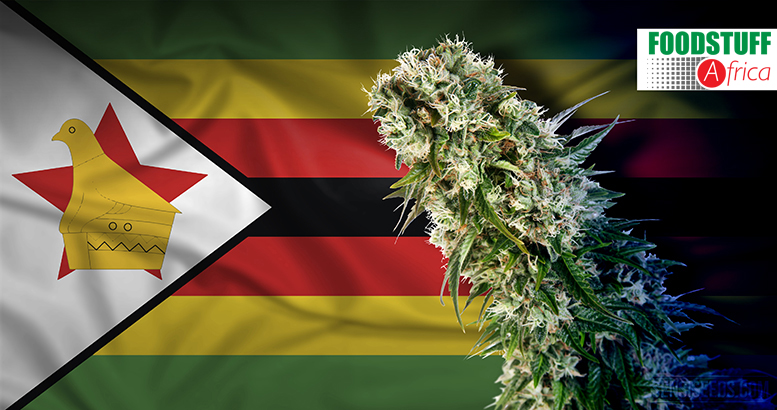
Zimbabwe has legalised cannabis cultivation and has withdrawn laws requiring sole state ownership for cannabis farming in an effort to encourage investment in cannabis cultivation for industrial and medicinal uses. Demand for cannabis is projected to grow worldwide while tobacco output is expected to decline 15% by 2030, according to Meanwell Gudu, the CEO of Zimbabwe’s Tobacco Industry and Marketing Board. “One of the alternative crops we are looking at is industrial hemp,” he said. “We want to be part of the entire industrial hemp chain.” Tobacco earned Zimbabwe $819 million in revenue in 2021. Farming cannabis for medical use in Zimbabwe was first legalised in 2018. The board has 145,000 registered tobacco growers, who started selling 2022’s crop at international auctions recently. According to recent government initiatives, farmers in Zimbabwe will be encouraged to plant cannabis so that a quarter of their income comes from the plant by 2025. Sales of cannabis worldwide is forecast to reach $1.25 billion this year. Cannabis Exports from Zimbabwe Zimbabwe exported 30 tonnes of industrial hemp to Switzerland in 2022, its first foray into the European market, said Zorodzai Maroveke, the founder of the Zimbabwe Industrial Hemp Trust. The group is partnering with the tobacco board to facilitate the “smooth transition” to cannabis for commercial purposes. As of now, the government of Zimbabwe has licensed 57 foreign and local entities to grow medicinal cannabis in the country according to a recent statement by the Zimbabwe Investment and Development Agency. As a result, production has already begun at some of the licensed farms which are spread across the country. Cannabis, also called mbanje in Zimbabwe, is no unknown word to people today. It has many health benefits like fighting cancer, and 22 countries around the world legalised it for medicinal use. South Africa, Malawi, Zambia, and Lesotho have also legalised medicinal cannabis.
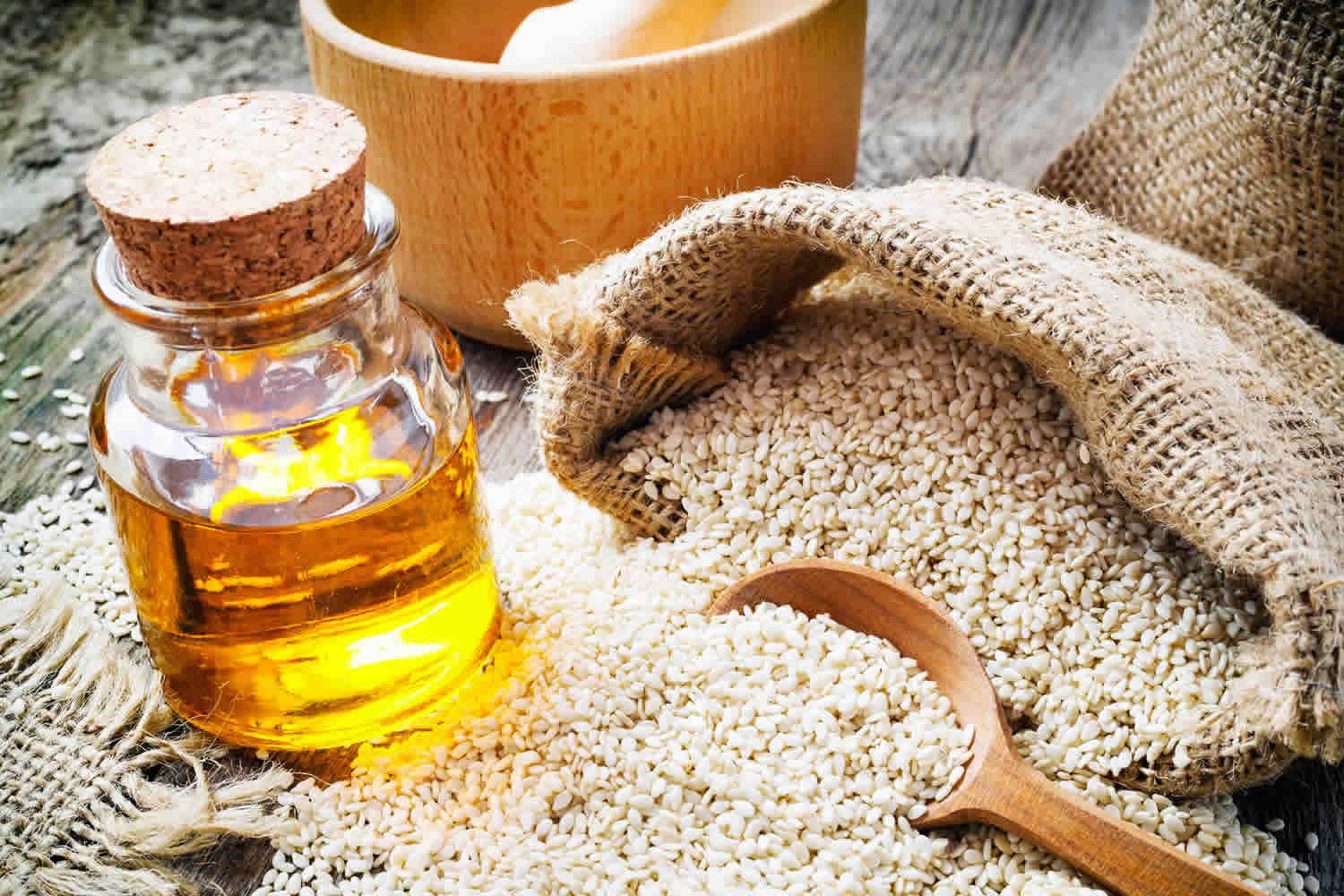
Changing lives through sesame seed : Zimbabwe
folder_open News
A local Zimbabwe firm, Nyatande Agriculture has changed the livelihoods of the country’s poorest farmers by providing a reliable ecosystem around sesame seed. The small seed has become big dollars for the countrys impoverished farmers who find the drought resistant crop easy to grow. In a program pioneered by Nyatande Agriculture, seed bought from the growers at producer viable prices is shipped to export markets creating a reliable market for the growers. “Nyatande Agriculture has saved us from exploitation from Mozambican buyers who used to buy our product for very low prices” said Angeline Nyabudu a subsistence sesame seed grower. She went on to show us the unharvested portion of her fields that she was in the process of harvesting for market. She went on to add, “in the next season I am going to increase my hectrage because Nyatande Agriculture has given us the confidence to grow larger volumes and I urge stakeholders to support Nyatande Agriculture as they have positively impacted our lives through sesame seed.” Asked for comment the Managing Director of Nyatande Agriculture, Mr Ronald Murowe, expressed gratitude to the sesame seed growers who had trusted them with their produce and he thanked the growers for their overwhelming show of support and enthusiasm to work with a local company in sesame seed marketing. “We have the opportunity to grow the national production of sesame seed in Zimbabwe to over 100,000 tonnes per year. With the support of local and international financial institutions like the African Development Bank AfDB, we will create a viable value chain that will benefit millions of the poorest citizens in the country,” Mr Murowe lamented. Zimbabwe's annual marketing of sesame seed has in the past been left to buyers from across its borders. Internationally sesame seed contributed $3 billion dollars to international trade in 2022, with Zimbabwe only officially realizing a paltry contribution of $85,000 on its official GDP figures. The Advent of Nyatande Agriculture will see the country realizing stronger revenues from this little known cash crop that is a staple in Asian markets. As Africa continues its fight with climate change, drought resistant sesame seed is set to create new revenue streams for African countries. As players such as Nyatande Agriculture realise growth by empowering small scale growers, it becomes paramount for African banking institutions and governments to put their force behind the success of these innovative emerging business models. The government of Zimbabwe has already shown its support for Nyatande Agriculture by approving legislation that allows Nyatande Agriculture to implement a 100,000 participant outgrower scheme in the 2023/24 cropping season.
Preliminary request for participation in the trade show
place
calendar_today
Preliminary request for visitor registration
Visitor Registration
place
calendar_today