


Soda Consumption Declines
folder_open Industry Reports
With the consumption of soda in the U.S falling for the tenth year in a row, soft drink companies are looking at a variety of options to capture consumer interest. Soda sales in the US have been gradually diminishing as consumers grow more concerned about their sugar consumption, with even diet soda, which was once seen as the healthier alternative, seeing falling sales as consumers have begun to turn away from artificial sweeteners. To counter this trend soft drink companies have got creative by introducing a variety of new products within the RTD (Ready to Drink) tea and sparkling water markets, with RTD tea in particular having reached US $5.3 billion of U.S. sales in 2014. In addition, according to industry tracker Beverage Marketing Corp. U.S. bottled-water consumption totalled 10.87 billion gallons in 2014, up 7.3% from 2013, its fastest growth rate since 2006.

Sparkling Water Gaining Acceptance
folder_open Industry Reports
Long perceived by the general consumer as a pricey extravagance only encountered when your waiter offers you ‘sparkling or still’, carbonated water is all set to grow in a big way across the retail sector. In fact, sparkling water has the distinction of gaining in popularity not because of any particular innovation from manufacturers or marketers, but simply as side-effect from consumers turning away from soda and diet soda. By offering a healthier alternative with fewer chemicals, ingredients, sugar and caffeine while still retaining the fizzy mouth feel of a soft drink, sparkling water has become one of the fastest growing drink segments. According to data from Euromonitor, sales of sparkling water brands such as Perrier, San Pellegrino and other fizzy waters have more than doubled over the past five years, to about US $1.5 billion, far outpacing the growth of bottled and "functional" water.
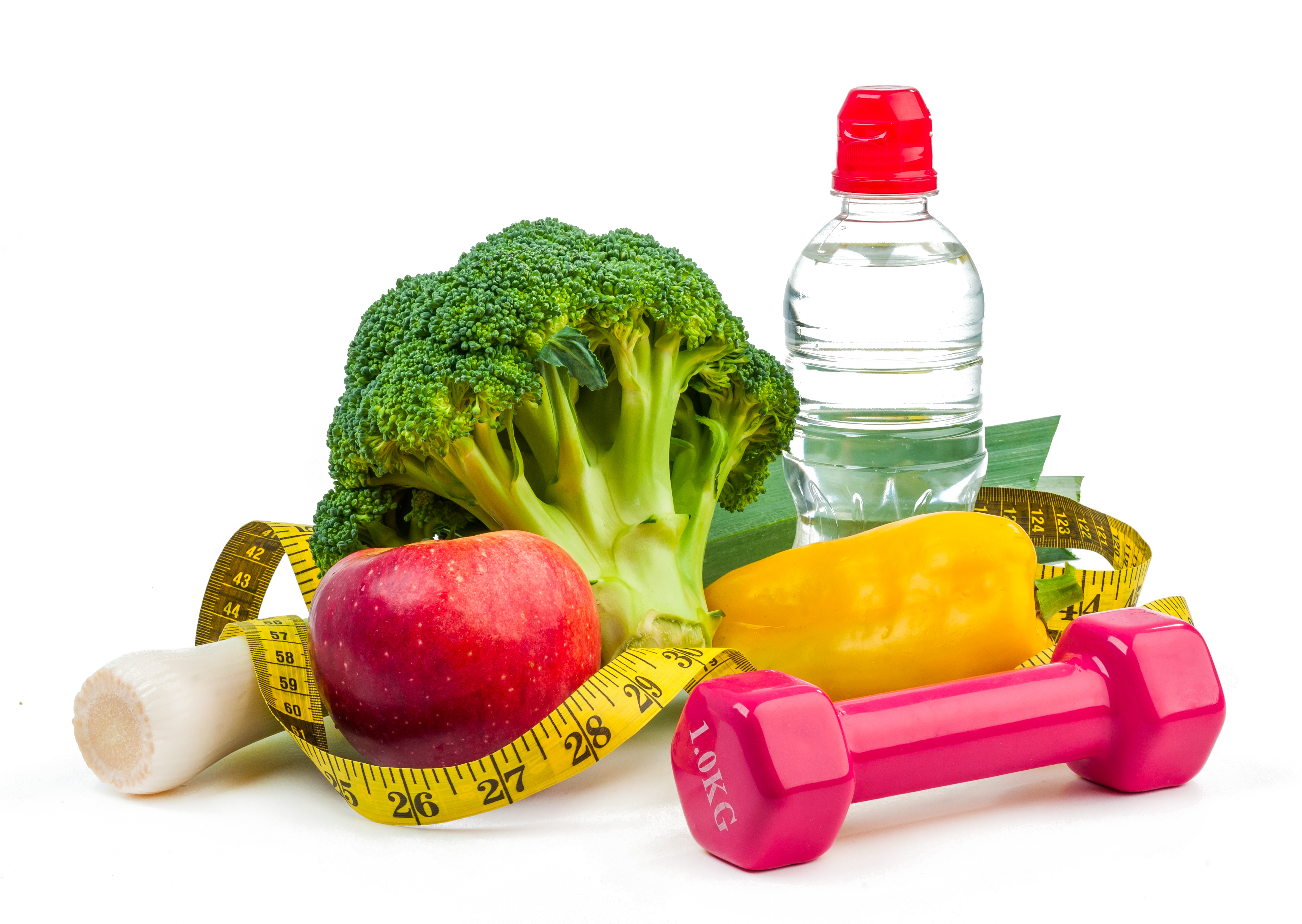
According to a recent Mintel study entitled “Free-from Food Trends,” 43 percent of consumers agree that free-from foods are healthier than foods without a free-from claim. Additionally, another 59 percent agree with the statement that the fewer ingredients a product has, the healthier it is. For example, the gluten-free food and beverage market has steadily been cementing its position as more than a mere dietary fad. According to market research publisher Packaged Facts, sales of gluten-free foods in the US recorded an annual growth rate of 34% over the five-year period ending in 2014, when market sales reached $973 million. In addition, almond milk sales have been growing at a rate of 70 – 80% year-on-year in the UK, as consumers look for a dairy-free alternative to their traditional pint of milk.
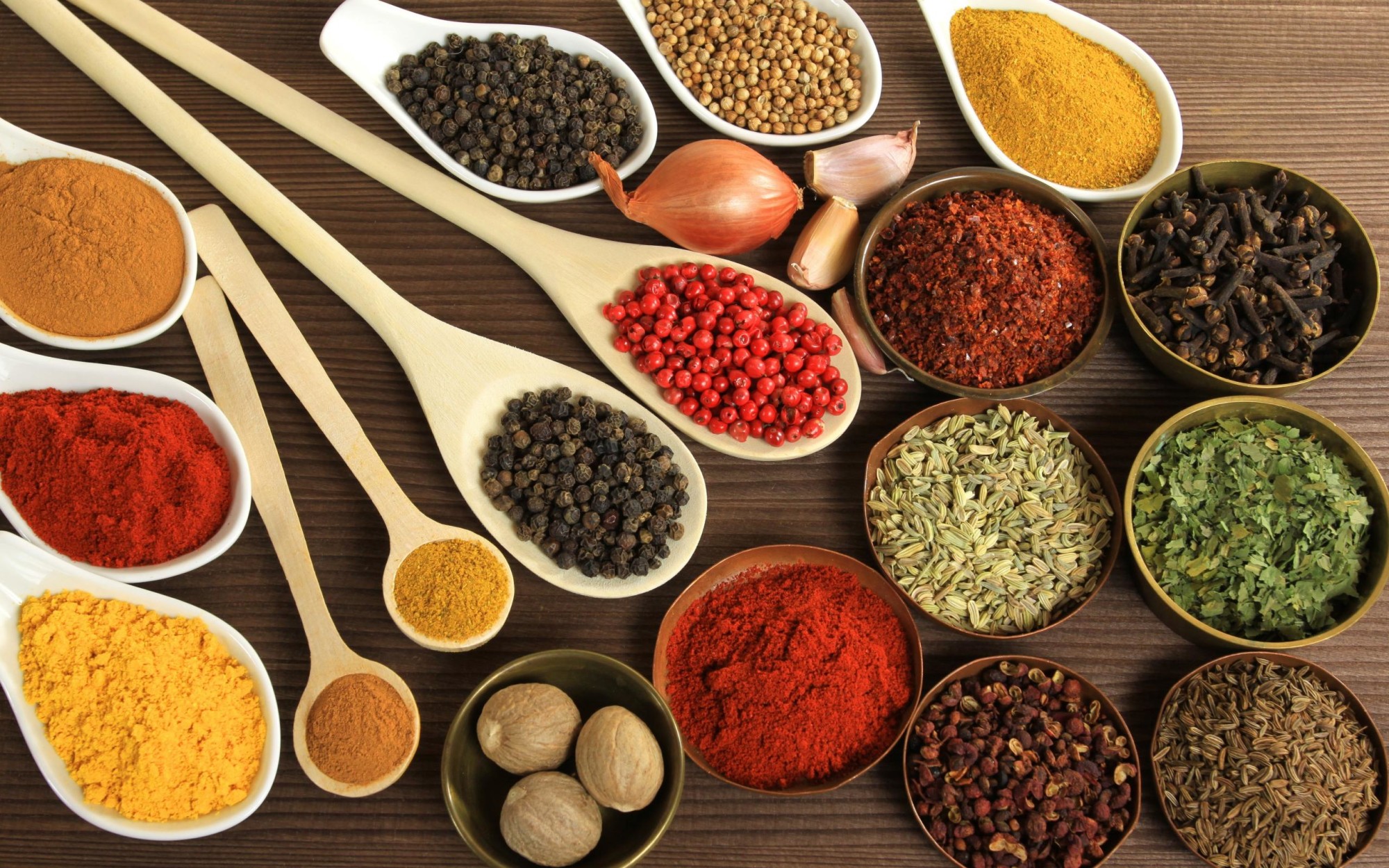
While there has been a growing demand for hot and spicy food products for quite a while now, 2016 looks set to become the year that consumers move away from pure heat towards more exotic and aromatic spice blends. The US National Restaurant Association’s most recent survey of 1,600 chefs has predicted that it will be African spices leading the latest flavour trends in 2016. Spices such as berbere, harissa, dukkah, ras el hanout and tsire are all set to appear on menus as seasoning for meat, fish, grains and vegetables. In addition, expect the F&B industry to go all out with creative products embracing spices and chilies in unexpected ways such as beverages, ice creams and chocolates.
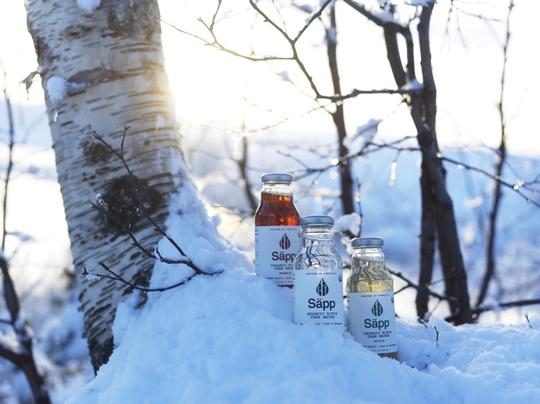
Säpp – introducing birch water to the global markets
folder_open Beverages , Halal Food , Industry Reports
With 80% less sugar than coconut water, five times more manganese than a cup of kale, and health benefits ranging from detox to weight loss to prevention of stress, birch water is introducing simplicity to the everyday hydration. Birch water has had a phenomenal year in Europe and is fast becoming a must-have for people who prefer natural hydration to health-engineered drinks. This ultra-hydrating, nutrient-filled drink is now available in the US and beyond, with Säpp pioneering the development of the birch water category. Säpp is made from one single ingredient – birch sap – which is sustainably sourced from local producers just once a year for three weeks in the Springtime. As one of nature’s essential filters, birch trees spend the entire year absorbing rich and diverse minerals from their organic soil. In early Spring, natural sap awakens trees from their winter sleep as it flows up their trunks and becomes infused with nutrients. We then tap our select harvest of birch trees in the most sustainable way to bring you Säpp – organic and authentic birch tree water that is inspired by simplicity. Birch tree water has been used for centuries in Scandinavia and Eastern Europe as a traditional source of detox. With its diuretic properties, Säpp flushes out toxins, uric acid and excess water from the body, helping control cholesterol level, support normal liver function and assist in the fight against cellulite. Standing out from other health-engineered drinks, Säpp contains no added sugar and the 3g of naturally occurring sugar per 10 fl oz bottle is c.80% less than coconut water. Alongside Original Birch Water, Säpp has also introduced two unique infused versions: nettle and rosehip, both with complimentary nutritional benefits.
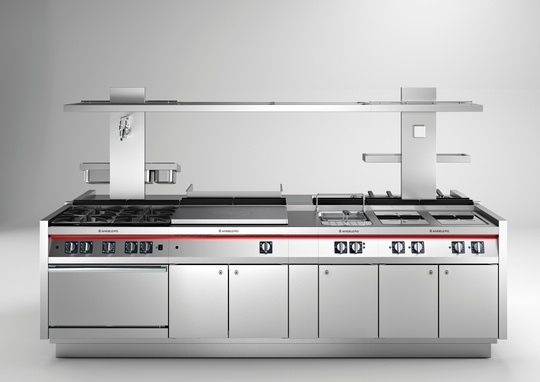
Angelo Po, a 100% Italian firm with more than 90 years of history, has introduced ICON 9000, the new cooking line for those whose top priority is comfort and convenience in the kitchen. ICON 9000 is the only three-dimensional modular cooking system, since it makes optimal use of space: as well as conventional side-by-side modules, it includes multifunctional elements above and below the top. This frees up valuable floor area to make the kitchen less cramped and more productive. Above the top, the equipped uprights make power sockets and water taps, shelves and trays available on two levels to simplify preparation and finishing operations. The range of under-top options is vast, with closed or open, ambient, heated and refrigerated modules. Chefs can express their creativity to the full when working in a kitchen conceived and designed to deliver unbeatable comfort: ICON 9000 features the innovative Chef Comfort-Pro system to improve the quality and comfort of the working environment for appliance users. A laminar air flow with adjustable strength and direction reduces the heat given off by the cooking surfaces and effectively channels fumes and unpleasant smells to the hood, creating a compensation effect exactly where it is needed. Chef Comfort-Pro facilitates optimal air-conditioning in the kitchen, since it prevents overheating and consequent wasted energy. The perfect lighting ensured by the light fittings above the top, the power sockets and water taps always to handand the push-to-open doors, easy to open even with hands full, guarantee convenient use and impeccable labour-saving. Supreme hygiene, performance and quality are all fundamental in a professional kitchen. ICON 9000, also available with stainless steel top 3 mm thick, has been awarded CSQA hygienic designcertification: its design and construction characteristics guarantee easy cleaning and effective disinfection. This reduces cleaning times and use of chemical cleaning products by 20%, generating considerable cost savings and reducing the hazards associated to food production (HACCP). ICON 9000's uniformity, speed and seamless precision are reinforced by the new Cooking Pro system for electric bratt pans and griddles, which guarantees more heat transfer (+11%) and temperature uniformity (+24%) and stability (-27% fluctuations around the set point). The time to reach the set point (-18%), product weight loss and energy use are also reduced. The streamlined, elegant design of ICON 9000 prioritises labour-saving and features an attractive red line, the signature of products bearing the Angelo Po brand, which stands for performance, reliability, technology and service, all over the world. Style and comfort enhance the Made in Italy of the new flagship Angelo Po product, that, due to its extreme modularity and multi-functionality, becomes the new benchmark for professional equipment
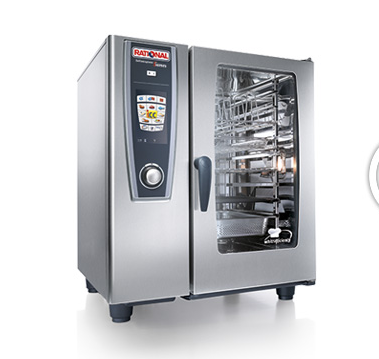
Rational surprised professional chefs across the globe a few months ago with a cooking appliance that senses, recognises, thinks with the user and ahead, learns and communicates with its user. The SelfCookingCenter® 5 Senses is the first appliance on the market that does not work according to pre-set programmes. It intelligently adjusts all processes to the relevant product, its size and quantity. The SelfCookingCenter® 5 Senses controls the temperature, humidity, cooking time and air velocity 60 times a minute, so that at the end a dish tastes and looks exactly as the chef specifies at the touch of a button. The appliance even recognises the condition of a product. It independently and optimally adjusts the conditions in the cooking cabinet to it. "The art of cooking lies in achieving consistently good results, although the conditions are different every time," says Alexander Wimmer, Area Vice President BD EMEA at Rational. Sometimes the products are larger or smaller, sometimes it is the quantities that vary. "The SelfCookingCenter® 5 Senses is intelligent enough to determine these differences," says Alexander Wimmer and adds: "Unlike most models on the market, our appliance is not programmed to fixed processes. It considers the current conditions and determine what has to be done every time so as to ensure consistent quality." This is a significant advantage, especially with frequent staff changes. Regardless of who is on shift, every dish turns out exactly as the chef wants it to. The appliance informs the chef of which settings it applies when and why. "Rational is giving a lot of information away. From the user's point of view, this is sensational," says Marc Stämpfli, Managing Director of Schweizer Heer AG. His company has been selling catering equipment for more than 40 years. Like most of his colleagues, he is convinced that Rational has once again significantly raised the standard in professional kitchens. ABOUT RATIONAL GROUP The RATIONAL Group is the worldwide market and technology leader for hot food preparation in professional kitchens. The company, founded in 1973, employs around 1,400 people, nearly 800 of whom are in Germany. Rational was floated in the Prime Standard of the German stock market in 2000 and is currently represented in the SDAX. The primary objective of the company is to offer its customers maximum benefits at all times. Internally RATIONAL is committed to the principle of sustainability, expressed in its policies on environmental protection, leadership and social responsibility. Numerous international awards bear witness to the high quality of RATIONAL’s work year on year.
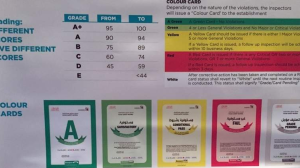
By Bilal Al Halabi, Al Halabi Ref. & Kitchen Equipment www.al-halabi.com Dubai Municipality is to launch a new grading system in the first week of April, with approximately 14,000 restaurants, cafeterias, catering companies and other food establishments being introduced to a colour coding system that will evaluate the level of hygiene and food safety. “The big difference,” explains Bobby Krishna, Principal Food Inspection Officer at Dubai Municipality, “is that the results of the grading system will be on display so that the consumer can clearly see the standards of the catering outlet before they choose whether they want to eat there.” The colour coding will be divided into five distinct categories, based upon a business’s score out of 100. A green card will only be awarded to those that score 95 or over, whilst a pale green card, equivalent to a rating of between 90 and 94, will signify a satisfactory rating. A yellow card, scoring from 75 to 89, will denote a conditional pass, with a red card showing that the eatery has failed by recording either two or more major violations or in excess of seven minor violations, giving a score from 60 to 74. There is one more colour to take note of – white. This is presented to those establishments that were given a red card but have successfully carried out the modifications required in order to bring them back up to standard. If improvements continue, a green card will then be given during the next inspection. So what exactly is a red card issued for? “There are a variety of reasons, from the way food is handled through to it being stored at inappropriate temperatures. Anything that threatens the health of the consumer or the safety of employees,” Bobby says. This increased transparency will be a boon to those eateries that achieve green card status, for in the eyes of the consumer they will be trusted and safe places to eat. The colour coded system, of course, is used throughout the world, with Bobby concluding: “We have copied the best global practices and adapted them for the local marketplace.”
‘Dubai Street Food Phenomenon’
folder_open Foodstuff Market , Industry Reports , News
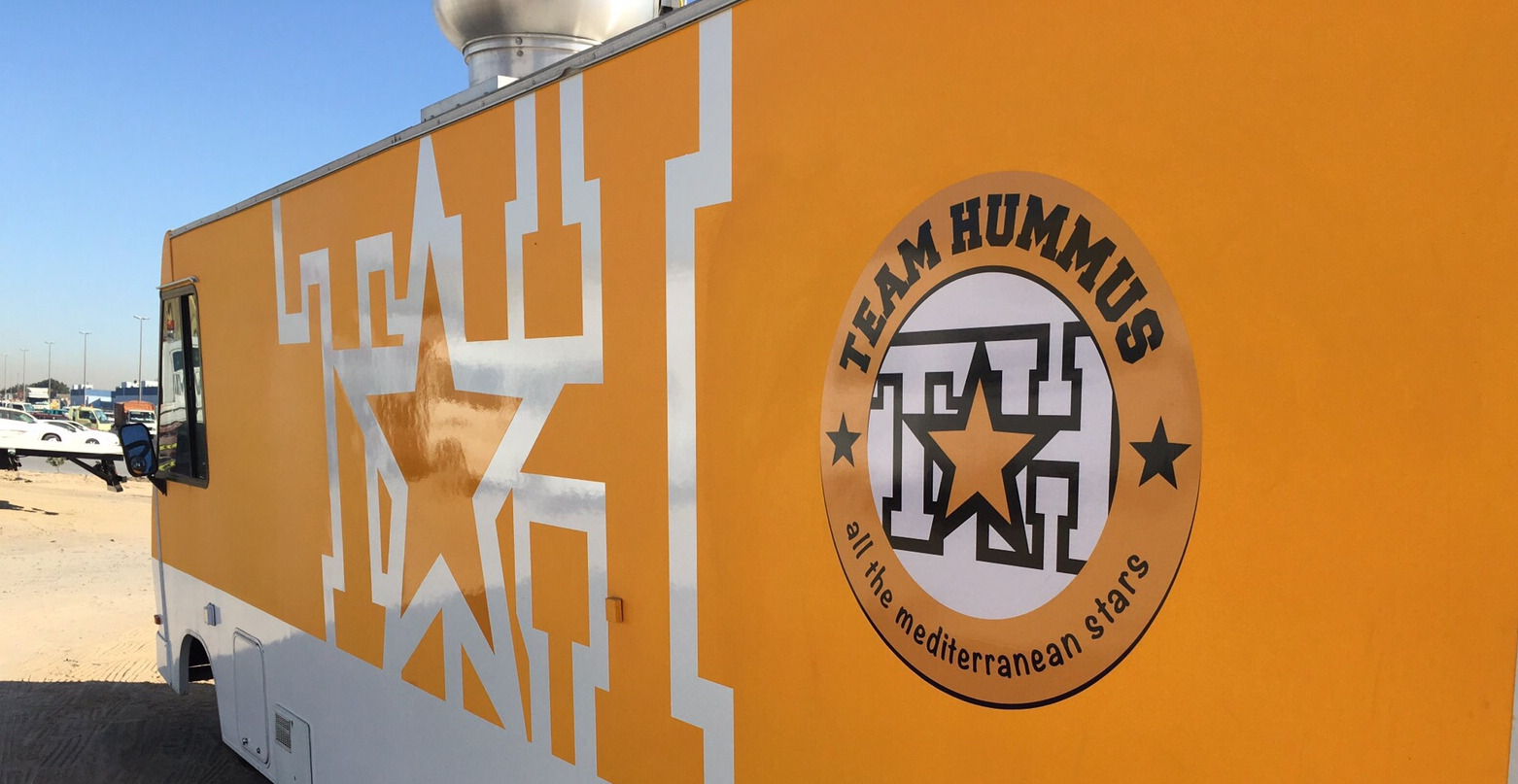
By Bilal Al Halabi, Al Halabi Ref. & Kitchen Equipment www.al-halabi.com There’s a hot new trend in Dubai – mobile catering or food trucks – with an incredibly wide range of food being sold from stalls, kiosks, carts, trailers, vans … it’s only limited by the imagination! And the choice of food is just as broad, from ice-cream and fresh juices through to burgers and hot dogs. A rapidly growing scene of top quality artisan cuisine, this ‘street food’ movement has become a social phenomenon and is considered to be one of the most innovative and engaging developments in catering for many years. Of course, there are certain challenges when setting up such an operation; one of the more obvious being how to design and install a kitchen that is practical and professional in such a small space? The answer for many mobile caterers is, as ever, Al Halabi. Anyone who deals with Al Halabi will know that they love food … they are what you might call ‘foodies’. They discuss food all day, every day with people who work in the catering and food manufacturing industries and, because they are foodies and have a real passion for what they do, they think that the new street food revolution is simply amazing. Any fellow foodies will agree. And it is that enthusiasm that has driven Al Halabi to design, manufacture and install some of the finest mobile catering solutions ever conceived. It’s a rather special and distinct market sector, and is undoubtedly a little more complicated than a ‘bricks n’ mortar’ restaurant, not least because of the limited space. However, Al Halabi is able to provide everything from tabletop fryers through to chillers, and has the design expertise to be able create a food truck kitchen that not only functions perfectly, but looks smart too. From hot food units through to coffee bars and from crepes through to donuts, Al Halabi is able to supply and install the perfect equipment for your business. But naturally, you wouldn’t expect anything less from the MENA region’s No.1 commercial kitchen designer, manufacturer and installer, would you?
Nestlé Middle East Inaugurates Al-Maha Factory in Dubai South
folder_open Foodstuff Market , Industry Reports , News
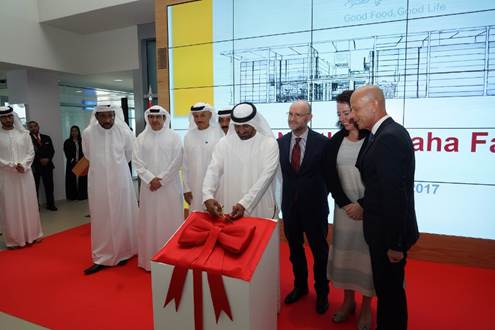
Dubai, 16 May 2017: Nestlé Middle East’s 18th factory in the region has been inaugurated in Dubai South by His Highness Sheikh Ahmed Bin Saeed AL Maktoum, President of the Dubai Civil Aviation Authority, Chairman Dubai Airports, and Chairman & Chief Executive Emirates Airlines & Group; and in the presence of Marco Settembri, Executive Vice President Nestlé SA and Head of Zone Europe, Middle East and North Africa. “Dubai South offers strategic advantages that make it an ideal and attractive destination for leading multinationals,” said H.H Sheikh Ahmed. “It is an important component in Dubai’s vision to provide a comprehensive platform that caters to the needs of aviation, air transport, commercial, and logistics businesses.” “Nestlé has been the early mover to Dubai South having realized its potential as the economic platform for the future. They have leveraged our excellent infrastructure and ease of doing business to further grow their business. We’re delighted to see Nestlé growing stronger in the region,” said H.E. Khalifa Al Zaffin, Executive Chairman of Dubai Aviation City Corporation and Dubai South. “The Al-Maha factory underlines our commitment to our customers, our willingness to invest and create jobs, and our ambition to minimize our environmental impact,” said Marco Settembri. “This US$ 145 million investment is Nestlé’s 18th production site in the Middle East and another milestone in our more than 80 years in this region. It shows our confidence in Dubai and the United Arab Emirates as a dynamic, stable and competitive business hub, and our long-term commitment to the people of the Middle East.” The new factory employs 340 men and women stemming from 20 different nationalities. Sixty percent of the team is under 30 years old. Nestlé already operates two other factories in Dubai Investment Park, one for Nestlé Waters, and another – Nestlé Dubai Manufacturing – covering KITKAT, MACKINTOSH’s Quality Street, and NIDO products. “Nestlé Al-Maha is yet another way for us to meet our commitment to the Middle East,” said Yves Manghardt, Chairman and CEO Nestlé Middle East FZE. “Manufacturing locally enables us to source locally, invest locally, make tailored products to better meet local needs, and serve communities in the region more rapidly and more effectively.” The new factory has already achieved outstanding results with regards to safety, with zero accidents during the construction period. It also met the stringent Nestlé quality standards from the very first production run. Nestlé Al-Maha holds the Halal certification of the Emirates Authority for Standardization and Metrology (ESMA). It runs on 100% LED lighting, which consumes nominal energy, is fully insulated to save air-conditioning energy, recycles 100 per cent of waste from products and raw materials, reaching zero waste for landfill, implements water saving mechanisms, and has an ambition to operate on solar-generated power. The Factory also includes a permanent exhibit, showcasing the role Nestlé plays in society. Some examples in the Middle East are the Nestlé Healthy Kids Program – Ajyal Salima, now in five countries in the region where it has reached over 40,000 children to date; and United for Healthier Kids that has mobilized so far over 580,000 joiners to nurture healthier generations. The exhibit also features high-tech tools; including iPads and Oculi, allowing 360-degree virtual visits of farms around the world from which raw material is sourced for products. It also provides special presentations for students on site, and offers digital guides for career development and enhancement for Youth. [alert color="green" type="alert-message-background" title="About Nestlé Middle East" size="big"]Nestlé Middle East’s heritage goes back 80 years to 1934 when the first import operation was set up in Lebanon. Today, Nestlé Middle East owns and operates 18 factories and provides direct employment to more than 11,000 employees who are all committed to Nestlé’s purpose of enhancing quality of life and contributing to a healthier future. It also provides indirect employment to several thousand more. The Nestlé portfolio in the region currently exceeds 60 innovative product brands in a wide range of categories: dairy products and infant nutrition, bottled water, chocolate and confectionery, coffee creamers, breakfast cereals, and culinary products, among others. Nestlé Nido, Nestlé NAN, S-26, Progress, Maggi, Nescafé, Kit Kat, Coffeemate, Nestlé Cerelac, Nestlé Pure Life, Nespresso and Nestlé Fitness are just some of the brands available in the Middle East.[/alert]
Preliminary request for participation in the trade show
place
calendar_today
Preliminary request for visitor registration
Visitor Registration
place
calendar_today