


According to a recent Mintel study entitled “Free-from Food Trends,” 43 percent of consumers agree that free-from foods are healthier than foods without a free-from claim. Additionally, another 59 percent agree with the statement that the fewer ingredients a product has, the healthier it is. For example, the gluten-free food and beverage market has steadily been cementing its position as more than a mere dietary fad. According to market research publisher Packaged Facts, sales of gluten-free foods in the US recorded an annual growth rate of 34% over the five-year period ending in 2014, when market sales reached $973 million. In addition, almond milk sales have been growing at a rate of 70 – 80% year-on-year in the UK, as consumers look for a dairy-free alternative to their traditional pint of milk.
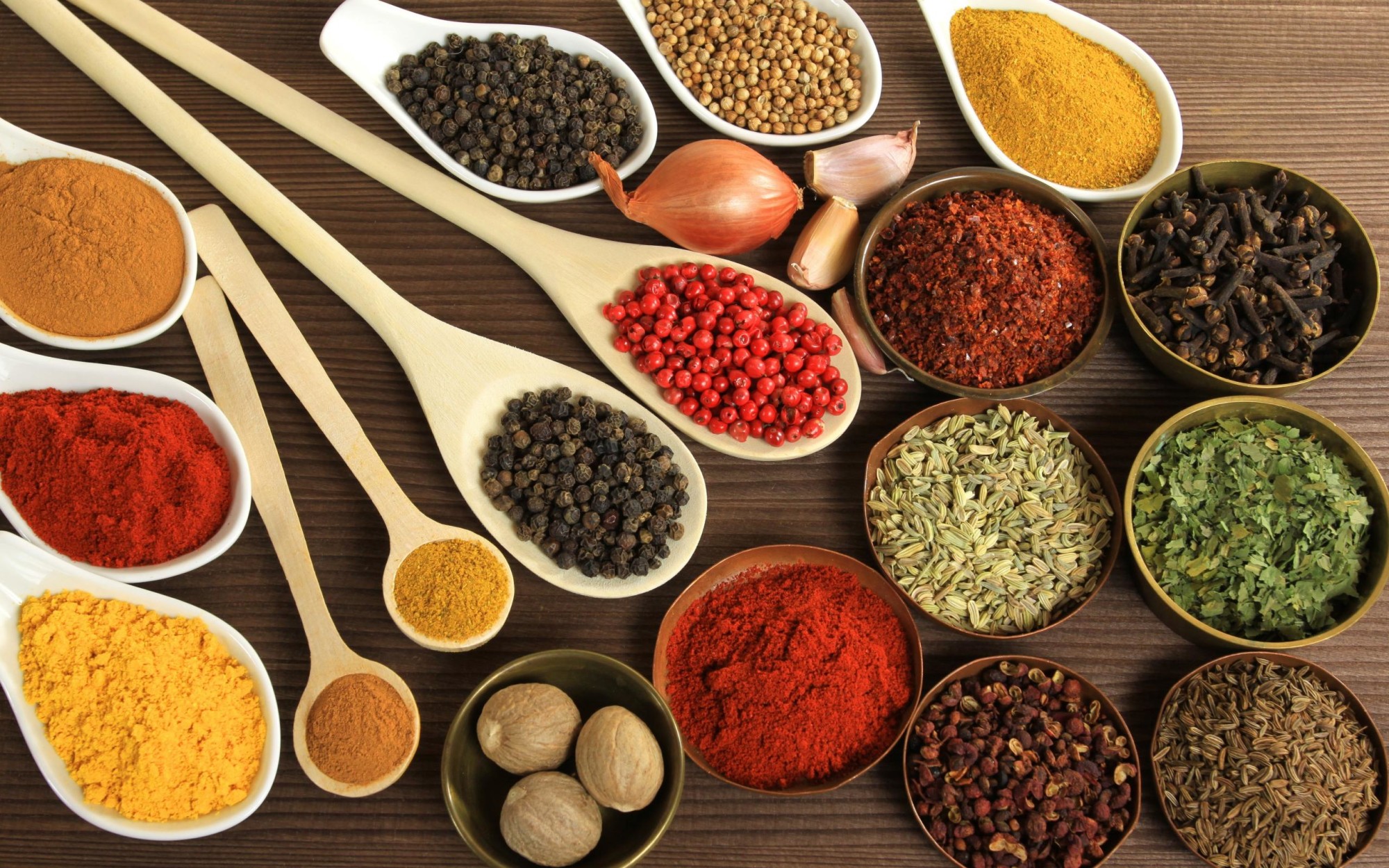
While there has been a growing demand for hot and spicy food products for quite a while now, 2016 looks set to become the year that consumers move away from pure heat towards more exotic and aromatic spice blends. The US National Restaurant Association’s most recent survey of 1,600 chefs has predicted that it will be African spices leading the latest flavour trends in 2016. Spices such as berbere, harissa, dukkah, ras el hanout and tsire are all set to appear on menus as seasoning for meat, fish, grains and vegetables. In addition, expect the F&B industry to go all out with creative products embracing spices and chilies in unexpected ways such as beverages, ice creams and chocolates.
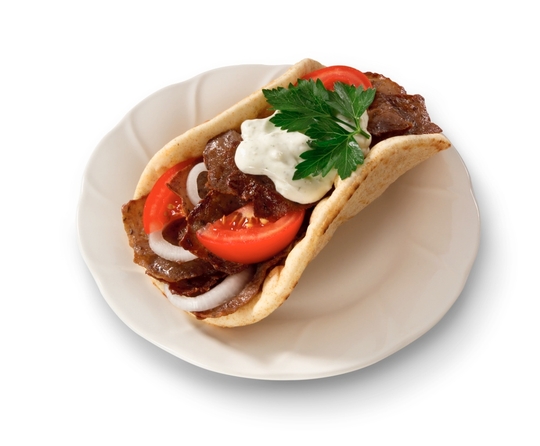
Midamar Corporation is a USA pioneer and leader in Halal food services. Midamar provides Halal food production, distribution, export management for USA based companies, and export services to restaurant concepts locating throughout the Middle East, South East Asia, and the Far East. Additionally, Midamar Corporation offers consulting services to US based companies that are expanding their businesses internationally. Founded in 1974, Midamar is centrally located in Cedar Rapids, Iowa, United States. Midamar is a Halal brand that offers consumers hundreds premium quality food products. In the foodservice sector “Midamar’s recipe for success is high quality ingredients mixed with time saving convenience. This year Midamar will be serving delicious Greek Style Gyros, which is a favorite of customers across the region”, explained Midamar Director Alaa Kamal. According to Kamal, “At Midamar we look forward to exhibiting at Gulfood each year. We have been exhibiting at Gulfood since the show started over 20 years ago. This venue allows us to meet with customers, new prospects, and industry associates. This also is a great forum for catching up on market trends.” Midamar Halal Foods Midamar was one of the first USA based companies to export USDA approved Halal products to the region. Products like Halal Organic Air Chilled Chicken, Beef Strips, Turkey Deli Meats have won awards for taste, quality and product innovation. The company has seen tremendous growth and development in the hospitality and retail food sectors over the past decades and looks forward to being a part of continued growth for decades to follow.
‘Dubai Street Food Phenomenon’
folder_open Foodstuff Market , Industry Reports , News
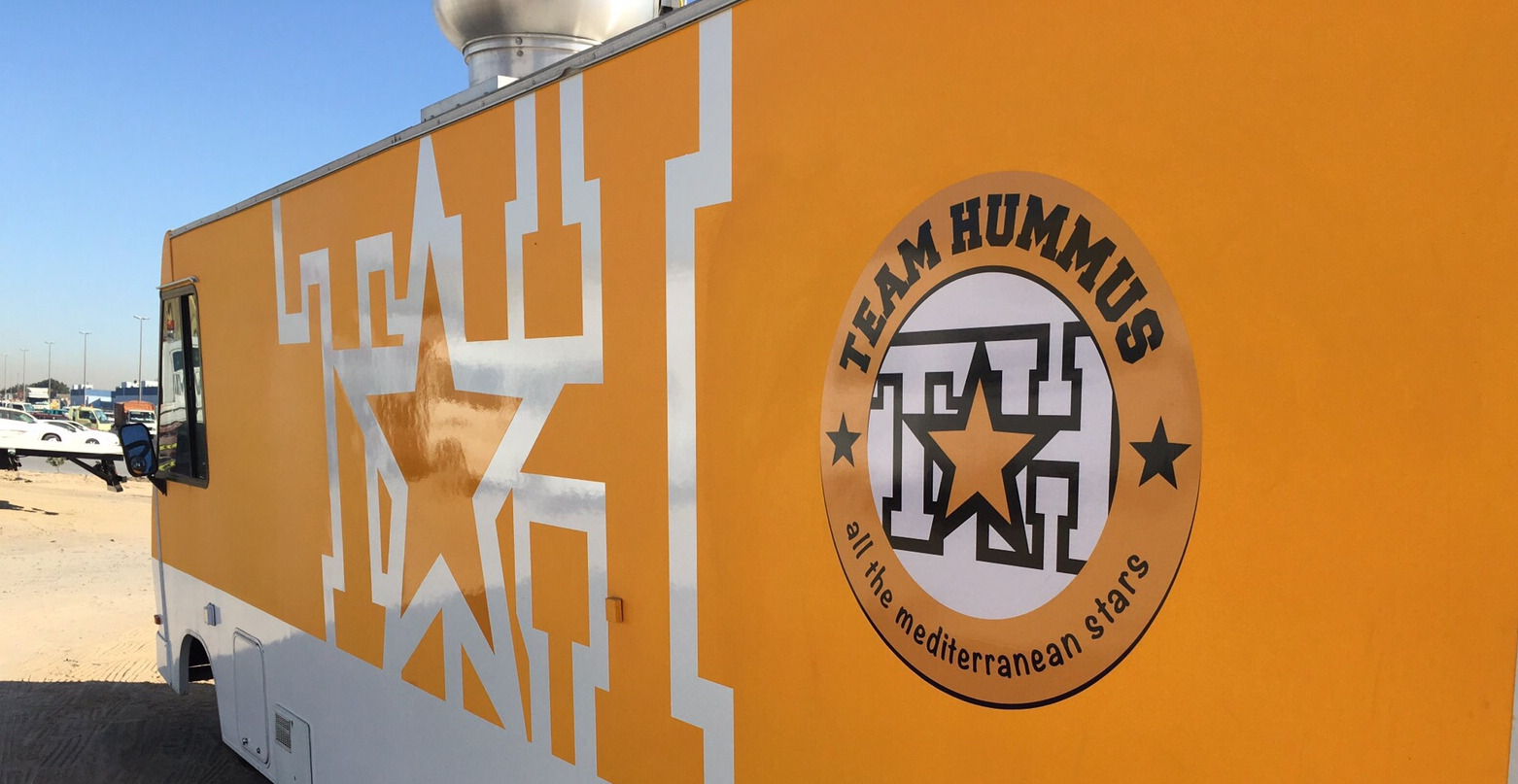
By Bilal Al Halabi, Al Halabi Ref. & Kitchen Equipment www.al-halabi.com There’s a hot new trend in Dubai – mobile catering or food trucks – with an incredibly wide range of food being sold from stalls, kiosks, carts, trailers, vans … it’s only limited by the imagination! And the choice of food is just as broad, from ice-cream and fresh juices through to burgers and hot dogs. A rapidly growing scene of top quality artisan cuisine, this ‘street food’ movement has become a social phenomenon and is considered to be one of the most innovative and engaging developments in catering for many years. Of course, there are certain challenges when setting up such an operation; one of the more obvious being how to design and install a kitchen that is practical and professional in such a small space? The answer for many mobile caterers is, as ever, Al Halabi. Anyone who deals with Al Halabi will know that they love food … they are what you might call ‘foodies’. They discuss food all day, every day with people who work in the catering and food manufacturing industries and, because they are foodies and have a real passion for what they do, they think that the new street food revolution is simply amazing. Any fellow foodies will agree. And it is that enthusiasm that has driven Al Halabi to design, manufacture and install some of the finest mobile catering solutions ever conceived. It’s a rather special and distinct market sector, and is undoubtedly a little more complicated than a ‘bricks n’ mortar’ restaurant, not least because of the limited space. However, Al Halabi is able to provide everything from tabletop fryers through to chillers, and has the design expertise to be able create a food truck kitchen that not only functions perfectly, but looks smart too. From hot food units through to coffee bars and from crepes through to donuts, Al Halabi is able to supply and install the perfect equipment for your business. But naturally, you wouldn’t expect anything less from the MENA region’s No.1 commercial kitchen designer, manufacturer and installer, would you?

Video Report: Dubai Food Festival 2016
folder_open Foodstuff Market , News
Read the latest updates and editorial analysis on African beauty markets and events.
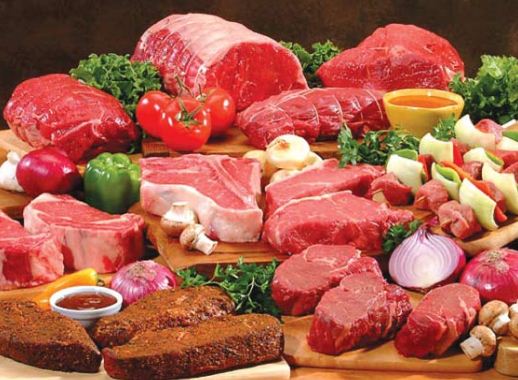
Indoguna: Providing Quality Meats
folder_open Foodstuff Market
[contact-form-7 id="43" title="Contact form 1"]
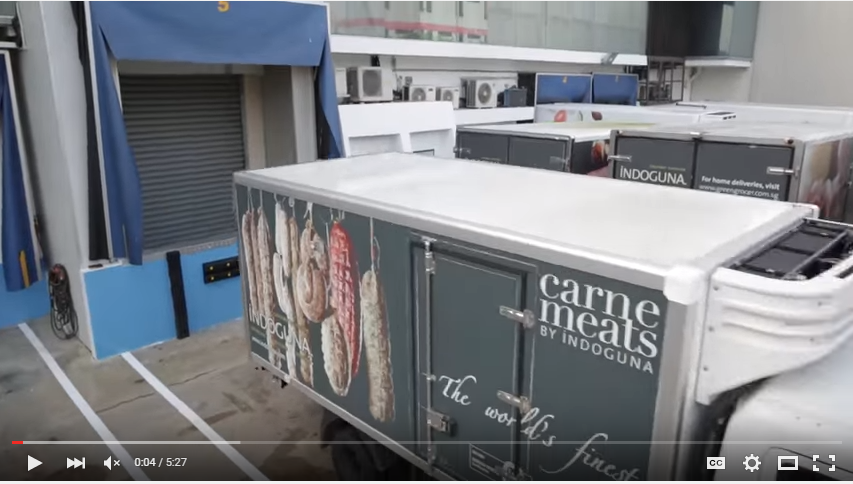
The Art of Finding The Choicest Meat Cuts
folder_open Foodstuff Market , News
Read the latest updates and editorial analysis on African beauty markets and events.
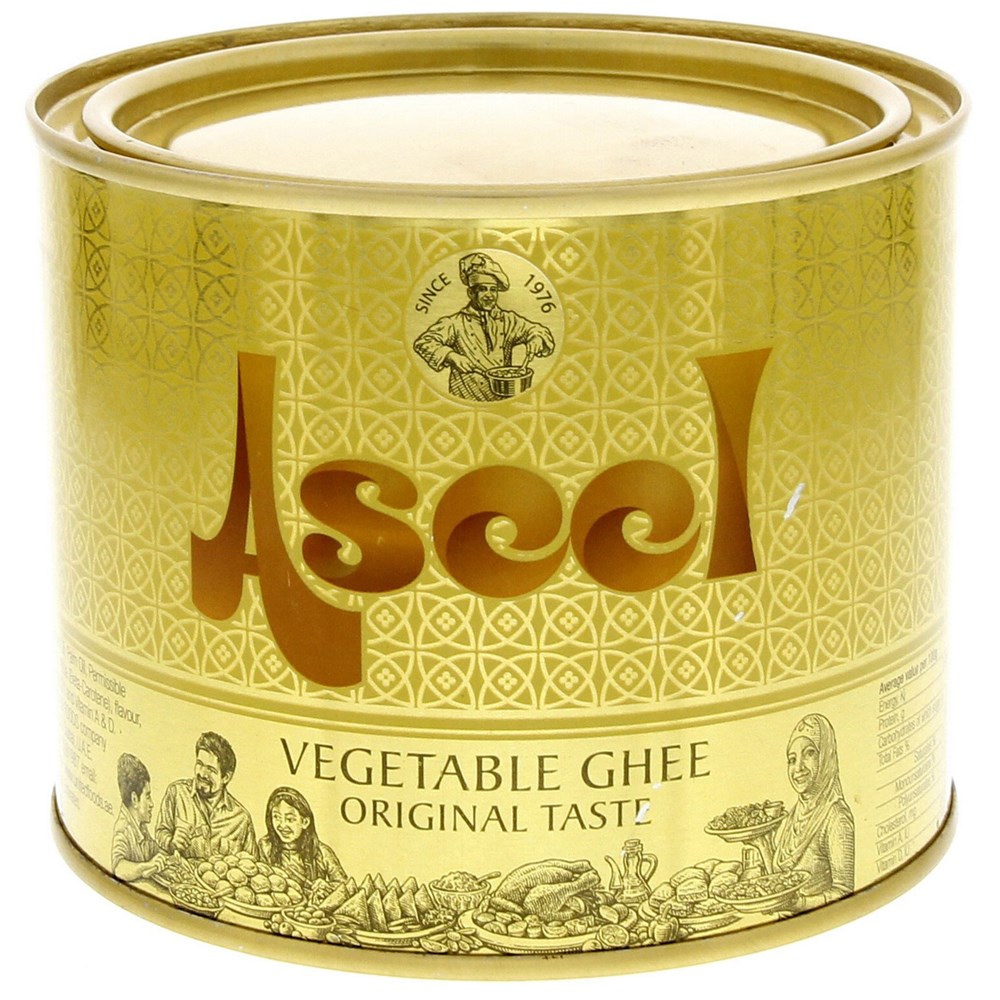
United Foods Company (UFC), a leading Emirati food company in the Middle East has extended its product range by introducing new products under its flagship brand Aseel on (Sunday, February 21, 2016). The company has launched ‘Aseel Trans Fat Free Ghee’ to offer its consumers with more options in healthier food and extend into ‘Arabic Traditional Food’ category with ‘Aseel Tahina.’ UFC’s flagship brand Aseel is a leading Ghee brand in the Middle East and the company announced the launch of the first Trans Fat Free Ghee in the region. Following the launch of Aseel Extra Virgin Olive Oil last year, the company has introduced Aseel Trans Fat Free Ghee in line with its continuous efforts to bring out healthy and tasty products that effectively addresses the growing health concerns of the region. ‘Aseel Trans Fat Free Ghee’ has been developed to resonate with consumer sentiments of health and wellness. A new generation product with premium buttery flavour and significant health benefits is available in two variants of Aseel Trans Fat Free Ghee with the goodness of Sunflower Oil’ and ‘Aseel Trans Fat Free Ghee with Canola Oil’ which is rich in Omega 3 and known to be heart healthy. Fethi Khiari, CEO of United Foods Company UFC’s second offering, Aseel Tahina is made from the finest sesame seeds procured from Ethiopia and prepared by one of the best and oldest Tahina master makers in the Levant region. It is packaged after 35 stages of processing, including refining, filtering, peeling, washing, roasting and grinding without additives. Gluten-free and an important source of iron, Tahina is used as a dressing, marinade or a vital ingredient in Levantine cuisine such as hummus. Fethi Khiari, CEO, United Foods Company, said: “We are proud to mention that Aseel is the No.1 Ghee brand in UAE and other markets in the region. Aseel Ghee owns more than 70% volume market share in UAE and has a strong leadership in other countries, he added. We are also happy to celebrate 40th Anniversary of our company. This embodies our expertise in the Ghee segment and strong understanding of edible oils business in the region. UFC takes the lead to launch the first Trans Fat Free Ghee in the region to offer a heart-friendly product, thereby addressing the health concerns of the consumers. We have introduced ‘Aseel Trans Fat Free Ghee’ after rigorous R&D to change the perception of consumers about Ghee and address their health issues. Its two variants will be preferred for their taste as well as help to gain health benefits, such as keeping weight under control and reducing the risk of coronary diseases along with a balanced diet combined with exercise. In addition, we have made a headway into ‘Arabic Traditional Food’ segment with the launch of ‘Aseel Tahina.’ It is a healthy and nutritious product which is used as a base for numerous Arabic delicious recipes.” We are confident of re-staging Aseel to new heights with the launch of these new products. We urge visitors to come to UFC’s stand to learn more about our new as well as existing range from our portfolio of brands including Aseel, Mumtaz , Nawar and Safi” concluded Khiari.

The increasing demand for African foodstuffs in Europe and America is rising due to increasing number of Africans, particularly Nigerians who reside in these countries in search for the proverbial greener pastures. There are many small foodstuffs exporters in the West African sub region who depend on middlemen to export their produce in small quantities and sell to consumers or retailers running ethnic shops in the US and Europe to meet the demand for African foodstuff for this niché market. Although the volume of Nigerian foodstuff exports of to these countries is still on a very small scale considering the fact that almost 20 million Nigerians reside outside the country, mostly in the UK and the US. There exists a great business opportunity to sell to this category of people. The few exporters of African foodstuffs cannot meet the demand of Nigerians whose population is increasing everyday abroad. Some of the exportable foodstuffs are: smoked fish, garri, beans flour, melon seed, ogbono, cassava flour, bitter leaf, dried pumpkin leaf, palm wine, butter production, coconut processing, pepper, tomato paste, hibiscus flower, yoghurt, pap, other vegetable leaves, hot chilli pepper, among many others. STARTING ON A SMALL SCALE Company registration is optional since you are doing it on a small scale, which means you are sending the foodstuffs through an individual. The start-up capital is between N150, 000 to N200, 000, an e-mail address, a mobile phone and an account with a reputable bank here in Nigeria. However, having a domiciliary account will be better, you don’t need previous experience in the field but you should have a "good head" for organising business. You can get support from an organisation called Association of Micro-Entrepreneurs of Nigeria (AMEN), which will help you register with NAFDAC. You can also make use of their factory site which will enable you operate the business successfully. OPPORTUNITY FOR SMALL INVESTORS As a small investor you can send this product through NIPOST or by air. NIPOST has ready made cartons that can take up to 30kg, which cost N40, 593. Perishable products are not allowed through the NIPOST because it takes up to five to seven working days before the products get to the UK and US, receptively. But you can send perishable items by air because it takes about eight hours to get there, depending on the country. GETTING BUYERS You can get buyers by advertising your product online. You can have a website where you will display your product. Make use of social site like facebook or twitter, you can also register with some trade sites like Africa Business Pages, Foodstuff Africa and so on. You can advertise your product as a free member. It will also give you a privilege to chat with foodstuff buyers abroad. DEALING WITH RESPONSES A lot of response will be coming from some Nigerians and Africans who operate African shops in foreign counties because some of them are looking for foodstuffs distributors. You may need to send free samples to some of them while you make them choose the right packaging pattern for the product you are sending. Leveraging on friends, relatives abroad You can send the foodstuffs to friends and relatives in the US and UK; they will help you sell them and pay the money into your account in Nigeria. You don’t need to go through the rigours of cross checking who is genuine or not; they know the terrain and they will help you sell directly to African foodstuffs importers and African food stores abroad. Nigeria will remain a mono-culture economy since it has failed to tap into the African Growth and Opportunity Act (AGOA) launched by the US since year 2000. The concept of AGOA introduced by the Clinton administration was to encourage African countries to increase their exports in non-traditional products to the US, thus adding value to raw material from developing economies. Nigeria ranks only high in the energy-related products sector. The country has failed woefully in the foodstuffs exportation category, while branded foodstuffs from Ghana are all over the UK and the US. AGOA is a window of export opportunities that can also serve as a catalyst towards achieving Nigeria’s vision 2020 in terms of foreign earnings, boosting production and capacity utilisation and generating hundreds of thousands of gainful employment through foodstuff exportation. Foodstuff exportation business can generate employment if the Federal Government can establish cold storage facilities and agricultural trade support infrastructure at designated points.

The future of Africa in 6 charts
folder_open Foodstuff Market
The last large source of arable land, minerals and fossil fuels, Africa may also be the continent that is the least-equipped to manage and protect its resources sustainably. If pursued with nature’s value in mind, Africa’s growth could mean long-term prosperity for its people; if not, it could bring unsustainable consumption, resource extraction and environmental degradation. Here are some of the changes facing the continent. 1. There are more Africans than ever before. 2. In 2014, one in six people on Earth were African. By 2030, it will be one in five. Africa’s population is projected to more than double by 2060, with 300 million new babies born just between 2015 and 2030. More mouths to feed will put increasing pressure on the continent’s agricultural production, which is already failing to provide enough food for Africa’s current population amid challenges like drought, insufficient financing and lack of infrastructure connecting sellers and buyers. More than half of the African population — and an even higher percentage in East Africa — is dependent on agriculture for at least part of their livelihoods, which means that changes to agricultural productivity would have widespread impacts. Of the world’s 20 countries most vulnerable to agricultural production loss due to climate change, 11 are in Africa. Given the importance of pollination, freshwater provision and other natural systems that make food production possible, implementing sustainable agricultural practices that increase productivity without depleting nature are critical. Conservation International (CI) led the development of a web-based monitoring system called Vital Signs to do just that; by providing diagnostic tools and near real-time data on factors such as precipitation and soil health, the system helps farmers and governments adapt their practices to changing weather patterns. 3. Africa’s workforce is growing faster than any other continent. While this shift reveals the potential of Africa to take a larger role in the global economy, having people ready to work isn’t enough. Michael O-Brien-Onyeka, senior vice president of CI’s Africa field division, explains: “By 2050, one in every four workers in the world will be from Africa — but I’m not sure if all of them will have jobs.” In order for those jobs to be sustainable long term, they must reflect a new economy that accounts for nature’s value. If Africa’s economic growth continues at the cost of its “natural capital” — that is, the forests, fresh water, soil, wildlife and other elements of nature that its people rely on — the continent’s future as a global leader will be in jeopardy. 4. Almost half of Africans live in cities. To much of the world, Africa is synonymous with wildlife — but many Africans have never seen a wild giraffe or elephant. As the growing population of mainly young people migrates to cities in search of work, economists are asking the question: Will urbanization in Africa solve any of its economic problems? Cities offer “investment, innovation, skilled labor, and higher incomes”; for many countries, they’re the hallmark of development. But cities can also bring “congestion, the creation of slums, worsening air quality, floods and inadequate sanitation, and joblessness arising from migration from poor rural communities to urban centers ill-equipped to receive them.” Which direction will dominate Africa’s cities? It will depend on the development path its countries choose. 5. Africa’s middle class is growing fast. A rising middle class is good news for the economy — and the newly affluent members of that group. But too often it goes hand in hand with overconsumption and a host of environmental issues that affect human health, the long-term availability of natural resources and ultimately, economic stability. In places like China, which is projected to overtake the United States as the world’s largest economic power, the short-term economic gains of a rapidly rising middle class — and its spending habits — have come with serious environmental ramifications like deforestation and increased carbon emissions from more cars on the road. 6. Half of the world’s 12 fastest-growing economies are in Africa. What can be done? For Africa to manage its resources for future generations, it will have to account for the value of its “natural capital,” as it does its financial and human capital. The Gaborone Declaration for Sustainability in Africa, a 10-country consortium spearheaded by Botswana, offers a model for bringing the value of natural resources into economic decision-making.
Preliminary request for participation in the trade show
place
calendar_today
Preliminary request for visitor registration
Visitor Registration
place
calendar_today