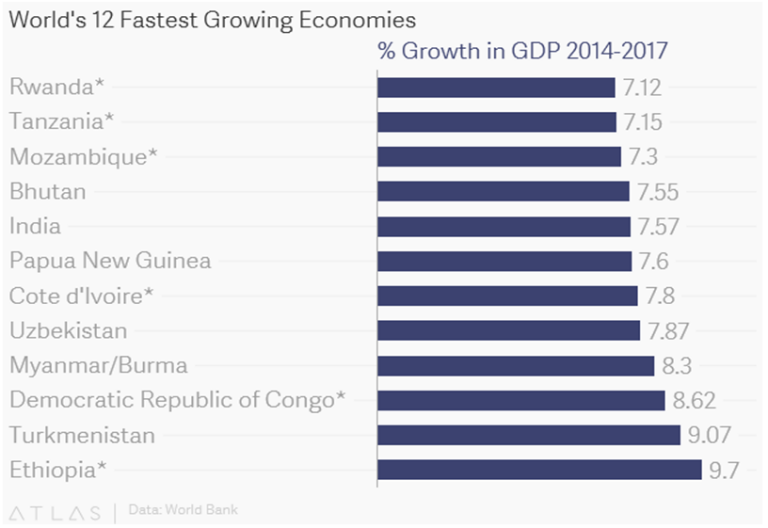

The future of Africa in 6 charts
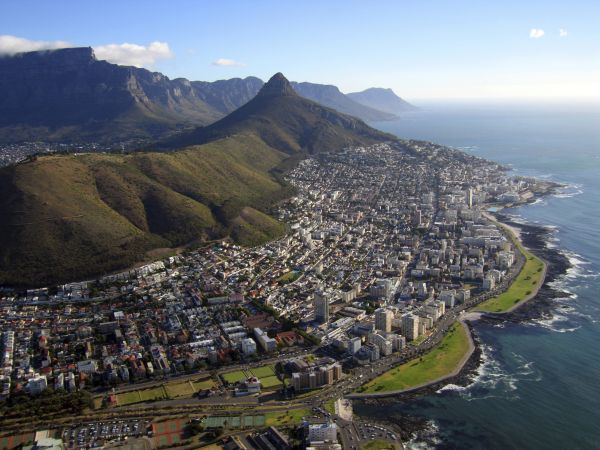
The last large source of arable land, minerals and fossil fuels, Africa may also be the continent that is the least-equipped to manage and protect its resources sustainably. If pursued with nature’s value in mind, Africa’s growth could mean long-term prosperity for its people; if not, it could bring unsustainable consumption, resource extraction and environmental degradation.
Here are some of the changes facing the continent.
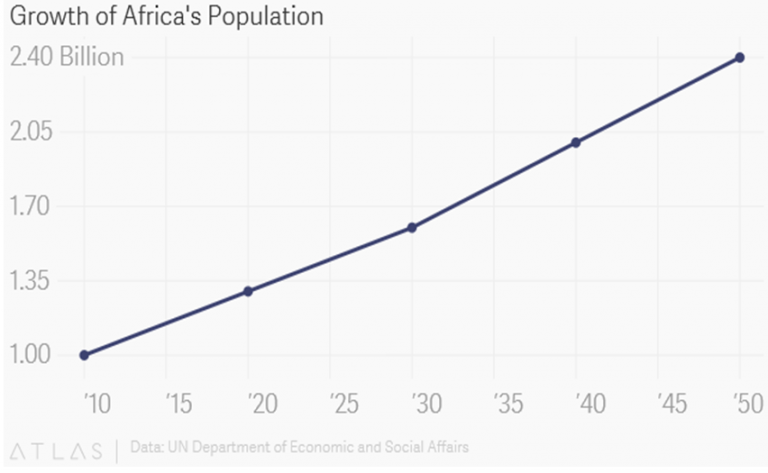
1. There are more Africans than ever before.
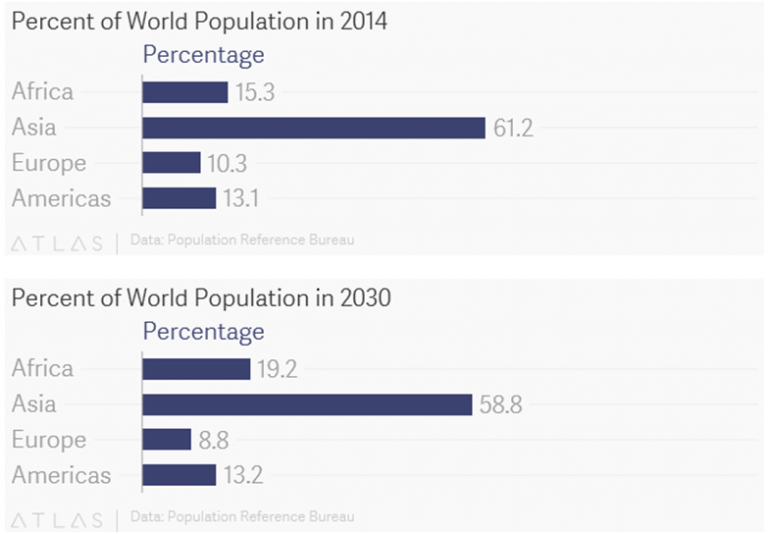
2. In 2014, one in six people on Earth were African. By 2030, it will be one in five.
 Africa’s population is projected to more than double by 2060, with 300 million new babies born just between 2015 and 2030. More mouths to feed will put increasing pressure on the continent’s agricultural production, which is already failing to provide enough food for Africa’s current population amid challenges like drought, insufficient financing and lack of infrastructure connecting sellers and buyers. More than half of the African population — and an even higher percentage in East Africa — is dependent on agriculture for at least part of their livelihoods, which means that changes to agricultural productivity would have widespread impacts. Of the world’s 20 countries most vulnerable to agricultural production loss due to climate change, 11 are in Africa.
Given the importance of pollination, freshwater provision and other natural systems that make food production possible, implementing sustainable agricultural practices that increase productivity without depleting nature are critical. Conservation International (CI) led the development of a web-based monitoring system called Vital Signs to do just that; by providing diagnostic tools and near real-time data on factors such as precipitation and soil health, the system helps farmers and governments adapt their practices to changing weather patterns.
3. Africa’s workforce is growing faster than any other continent.
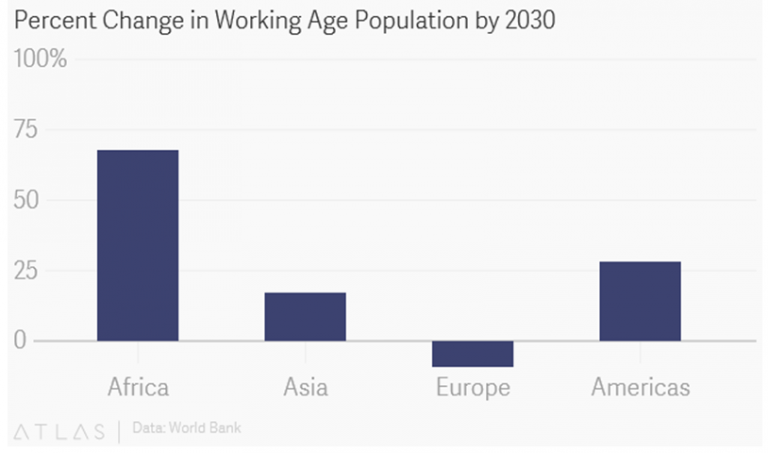
While this shift reveals the potential of Africa to take a larger role in the global economy, having people ready to work isn’t enough. Michael O-Brien-Onyeka, senior vice president of CI’s Africa field division, explains: “By 2050, one in every four workers in the world will be from Africa — but I’m not sure if all of them will have jobs.”
In order for those jobs to be sustainable long term, they must reflect a new economy that accounts for nature’s value. If Africa’s economic growth continues at the cost of its “natural capital” — that is, the forests, fresh water, soil, wildlife and other elements of nature that its people rely on — the continent’s future as a global leader will be in jeopardy.
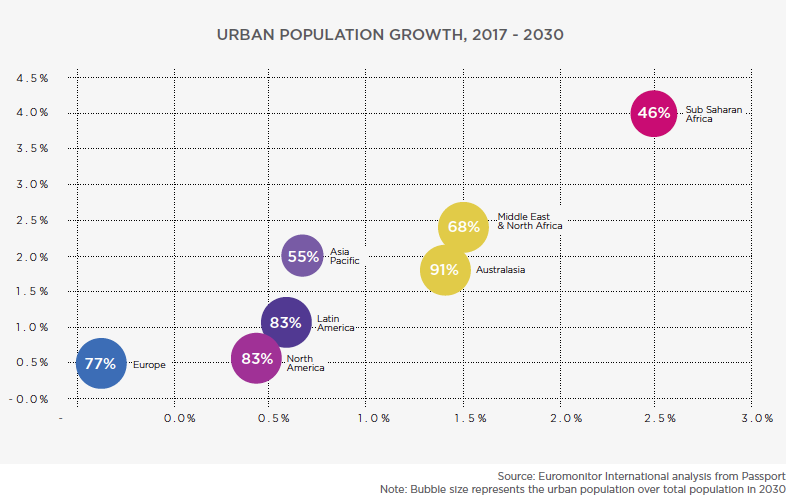
4. Almost half of Africans live in cities.
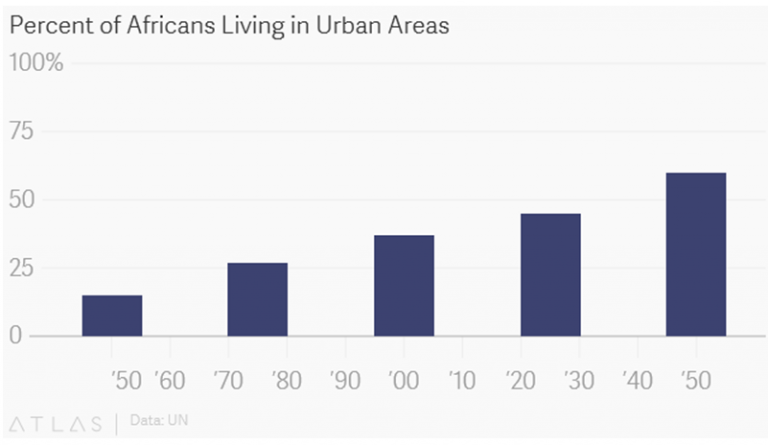
To much of the world, Africa is synonymous with wildlife — but many Africans have never seen a wild giraffe or elephant. As the growing population of mainly young people migrates to cities in search of work, economists are asking the question: Will urbanization in Africa solve any of its economic problems?
Cities offer “investment, innovation, skilled labor, and higher incomes”; for many countries, they’re the hallmark of development. But cities can also bring “congestion, the creation of slums, worsening air quality, floods and inadequate sanitation, and joblessness arising from migration from poor rural communities to urban centers ill-equipped to receive them.” Which direction will dominate Africa’s cities? It will depend on the development path its countries choose.
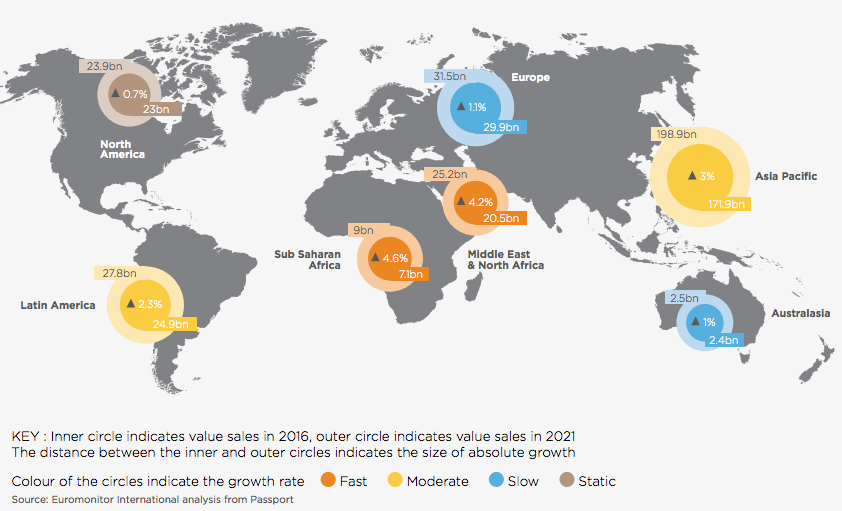
5. Africa’s middle class is growing fast.
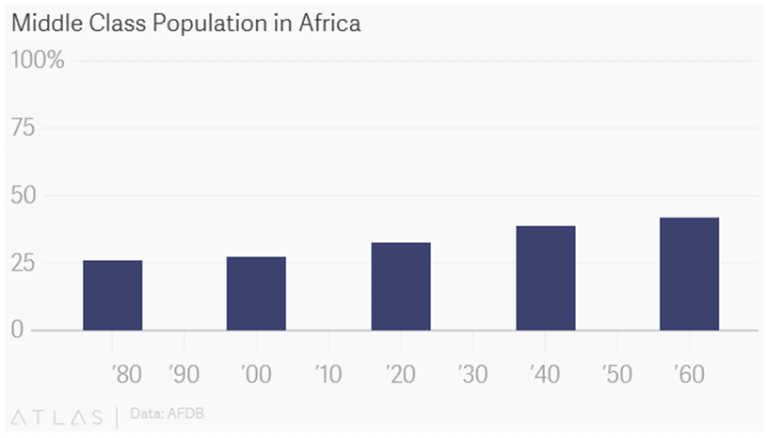
A rising middle class is good news for the economy — and the newly affluent members of that group. But too often it goes hand in hand with overconsumption and a host of environmental issues that affect human health, the long-term availability of natural resources and ultimately, economic stability. In places like China, which is projected to overtake the United States as the world’s largest economic power, the short-term economic gains of a rapidly rising middle class — and its spending habits — have come with serious environmental ramifications like deforestation and increased carbon emissions from more cars on the road.