
Cannabis Cultivation in Zimbabwe Attracts Investments
Zimbabwe has legalised cannabis cultivation and has withdrawn laws requiring sole state ownership for cannabis farming in an effort to encourage investment in cannabis cultivation for industrial and medicinal uses.
Demand for cannabis is projected to grow worldwide while tobacco output is expected to decline 15% by 2030, according to Meanwell Gudu, the CEO of Zimbabwe’s Tobacco Industry and Marketing Board. “One of the alternative crops we are looking at is industrial hemp,” he said. “We want to be part of the entire industrial hemp chain.”
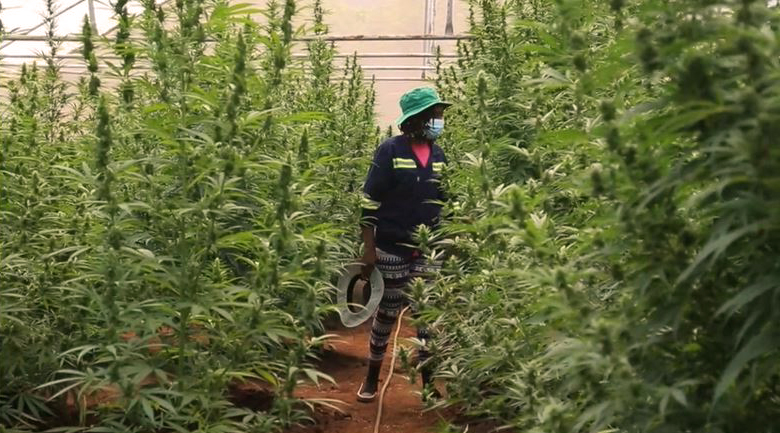
Tobacco earned Zimbabwe $819 million in revenue in 2021. Farming cannabis for medical use in Zimbabwe was first legalised in 2018. The board has 145,000 registered tobacco growers, who started selling 2022’s crop at international auctions recently.
According to recent government initiatives, farmers in Zimbabwe will be encouraged to plant cannabis so that a quarter of their income comes from the plant by 2025. Sales of cannabis worldwide is forecast to reach $1.25 billion this year.

Cannabis Exports from Zimbabwe
Zimbabwe exported 30 tonnes of industrial hemp to Switzerland in 2022, its first foray into the European market, said Zorodzai Maroveke, the founder of the Zimbabwe Industrial Hemp Trust. The group is partnering with the tobacco board to facilitate the “smooth transition” to cannabis for commercial purposes.
As of now, the government of Zimbabwe has licensed 57 foreign and local entities to grow medicinal cannabis in the country according to a recent statement by the Zimbabwe Investment and Development Agency. As a result, production has already begun at some of the licensed farms which are spread across the country.
Cannabis, also called mbanje in Zimbabwe, is no unknown word to people today. It has many health benefits like fighting cancer, and 22 countries around the world legalised it for medicinal use. South Africa, Malawi, Zambia, and Lesotho have also legalised medicinal cannabis.