
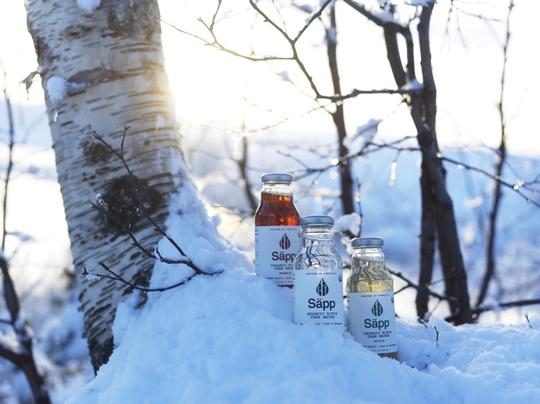
Säpp – introducing birch water to the global markets
folder_open Beverages , Halal Food , Industry Reports
With 80% less sugar than coconut water, five times more manganese than a cup of kale, and health benefits ranging from detox to weight loss to prevention of stress, birch water is introducing simplicity to the everyday hydration. Birch water has had a phenomenal year in Europe and is fast becoming a must-have for people who prefer natural hydration to health-engineered drinks. This ultra-hydrating, nutrient-filled drink is now available in the US and beyond, with Säpp pioneering the development of the birch water category. Säpp is made from one single ingredient – birch sap – which is sustainably sourced from local producers just once a year for three weeks in the Springtime. As one of nature’s essential filters, birch trees spend the entire year absorbing rich and diverse minerals from their organic soil. In early Spring, natural sap awakens trees from their winter sleep as it flows up their trunks and becomes infused with nutrients. We then tap our select harvest of birch trees in the most sustainable way to bring you Säpp – organic and authentic birch tree water that is inspired by simplicity. Birch tree water has been used for centuries in Scandinavia and Eastern Europe as a traditional source of detox. With its diuretic properties, Säpp flushes out toxins, uric acid and excess water from the body, helping control cholesterol level, support normal liver function and assist in the fight against cellulite. Standing out from other health-engineered drinks, Säpp contains no added sugar and the 3g of naturally occurring sugar per 10 fl oz bottle is c.80% less than coconut water. Alongside Original Birch Water, Säpp has also introduced two unique infused versions: nettle and rosehip, both with complimentary nutritional benefits.
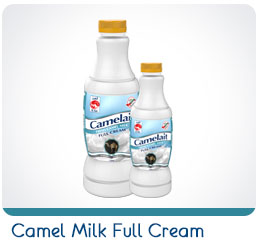
After the recent launch of new Camelait brand camel milk ice cream and powdered milk in the UAE, Al Ain Dairy, the largest milk producer in the UAE has introduced these delicious and nutritious 100% Emirati products to the global food export market. “As the global demand for naturally nutritious products continually rises, we feel the presence for our Camelait products is necessary now more than ever - and with new studies showing promising medical benefits of camel milk, it is our mission to ensure these locally produced products are available to consumers around the world,” Once known only to Bedouin tribes and nomads of the desert for its extraordinary source of nourishment, camel milk has emerged from centuries of obscurity to become known as a nutritional powerhouse and medical marvel. With the help of modern day science, new benefits are continually being discovered with evidence that supports improvement in conditions ranging from autism to diabetes. Benefits of Camel Milk Camel milk products appeal to the health conscious individual as they are naturally lower in fat than cow’s milk and packed with nutrients to also aid in beauty and overall well-being. There are no known allergies to camel milk, making it a perfect solution for lactose-intolerant adults and infants with allergies. Camel milk contains natural moisturizing properties to provide a smoothing effect on skin and can also have beneficial properties in treating psoriasis patients by both topical and ingestion applications. The Camelait brand fresh camel milk was introduced with the inception of the Al Ain Dairy camel farm in 2004 and has been a staple on supermarket shelves since. Over the years, the brand expanded to include 5 varieties of flavored camel milk and laban. The launch of camel milk ice cream and camel milk powder will be a welcomed extension to an already successful product line. Al Ain Dairy is proud to be establishing an international reputation as the innovator of unique camel milk products produced in the UAE. [contact-form-7 id="43" title="Contact form 1"]
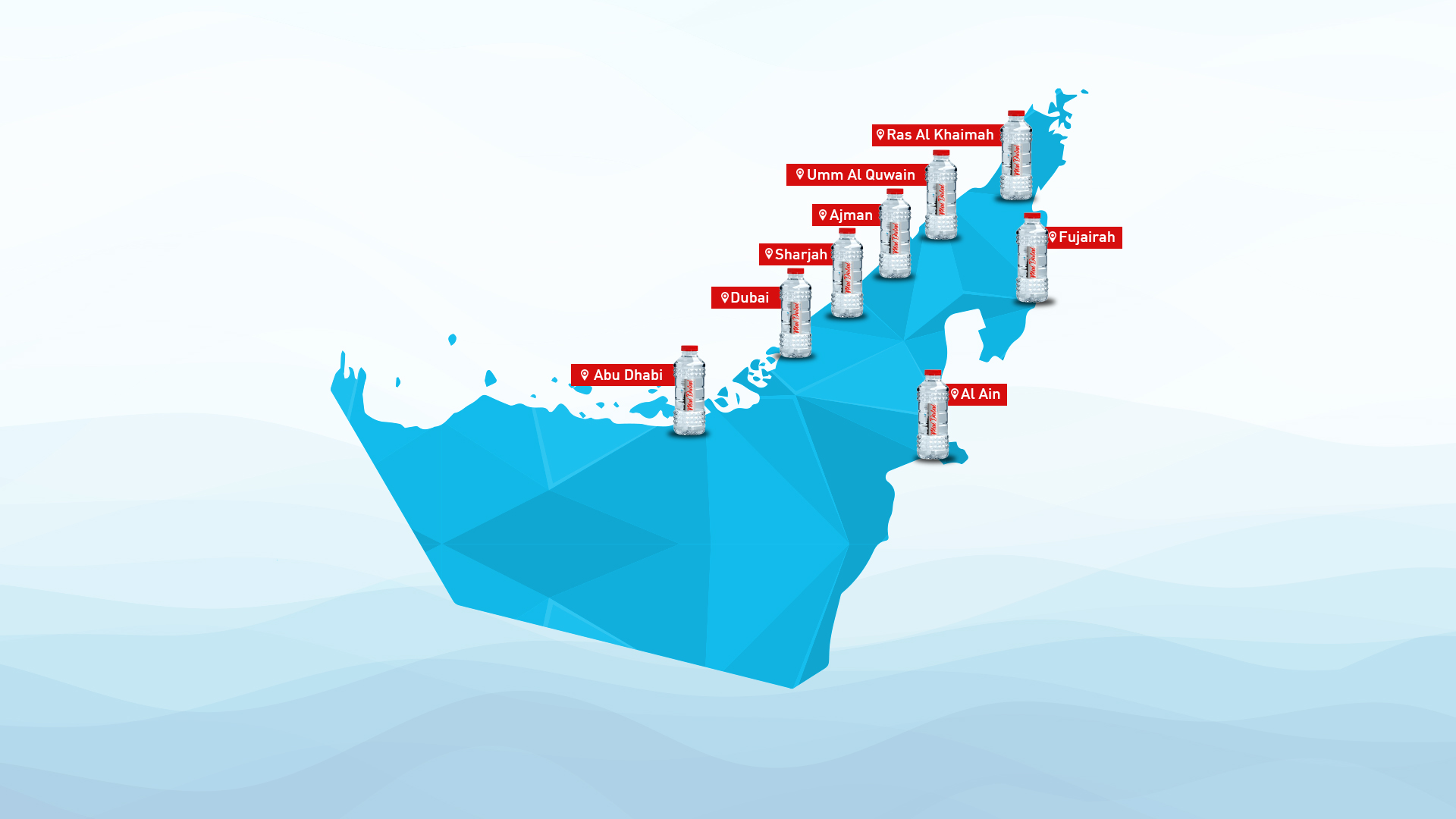
Mai Dubai Bottled Drinking Water wins prestigious recognition
folder_open Beverages , Company Profiles , News
Mai Dubai Bottled Drinking Water (Mai Dubai LLC) was the only bottled water company nominated as "Best Factory in Dubai in food Safety" by the Dubai Municipality, and to have won the highest rating achieved in 2015 "Grade A”. The committee in charge commended Mai Dubai’s implementation of the highest standards in quality and the best food safety management systems and processes. The award was presented in a ceremony at the International Convention on Food Safety organized by the Dubai Municipality, which took place on October 27th, with the CEO, receiving the award on behalf of the company. The event was attended by, industry experts and leading companies in the food and beverage retail sector. “At Mai Dubai Water, we know that consumers have many choices when it comes to selecting a provider of bottled water. As a result, we strive to set ourselves apart from the competition. The company intends to establish itself by leading through innovation with both its products and services. This, complemented by a world-class commitment to quality, will provide a competitive advantage that will be leveraged for sustained growth over the long term,” said Jay Andres, CEO of Mai Dubai. “We are pleased to receive this award, which underlines Mai Dubai’s efforts to be in the lead in terms of Quality, Food safety and innovation. The regulations and oversight by the Government of Dubai in regards to food safety are world class. We welcome this scrutiny as it challenges us to seek constant improvement and adds credibility to our Industry as well as our Company. This achievement early in the life of Mai Dubai is gratifying to our dedicated team of employee’s, however we will not relax our efforts as a result, in only motivates and energizes us as we move forward,” Added Mr. Andres. Mai Dubai’s Commercial production started in March 2014. The factory has since its launch received the FDA, HACCP, ISO22000 and Emirates Quality Mark (EQM) certifications. The factory produces small- and medium-size bottles of 1.5 Litre, 500ml, 330ml and 200ml as well as five-gallon bottles (18,9Ltr). It also produces cups in 2 sizes, 100ml and 200ml. ABOUT MAI DUBAI Mai Dubai is a high quality Bottled Drinking Water Low in Sodium with a balanced blend of Healthy minerals. It is produced in a best in class facility and is the only bottled water company to be awarded by the Dubai Municipality, the highest grade in 2015 in food safety (grade A). Often described as smooth, light and refreshing, it has become the water of choice for passengers of Emirates Airline. Being different has been at the heart of the company that’s why the red color has been a core-branding element and differentiation can bee seen through the company’s packaging, bottle design and advertising campaigns. Contact This Company: [contact-form-7 id="43" title="Contact form 1"]
Vita Coco Coconut Oil
folder_open Beverages , Halal Food
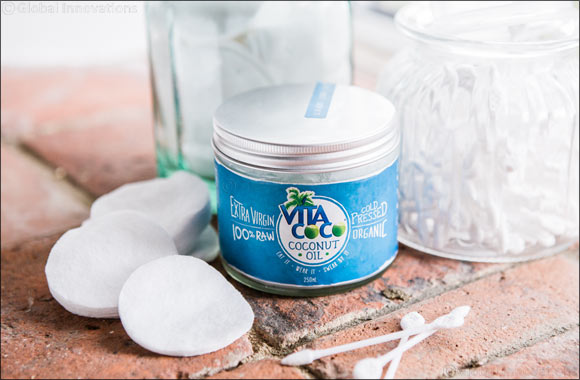
The craze for coconut oil is set to go coco-nuts this Autumn, when Vita Coco, the UAE’s best-loved coconut water brand, unveils its very own Vita Coco Coconut Oil as part of the product range. Organic, 100% raw, extra-virgin and cold pressed; it is an oil for every occasion. Eat it, Wear it, Swear By It; the ultimate cooking ingredient, the beauty secret you need to know and one of the best natural energy supplements available. Combining the endless benefits of coconut oil with the coconut expertise of Vita Coco, this burgeoning trend launches in the Middle East, following the incredible response across the USA and Europe. A healthier spread on toast or an alternative to other cooking oils for baking and frying, health and foodie enthusiasts can also add it to their morning smoothie or cup of coffee. Not only does its digestion properties provide lasting sustainable energy but it is also known to boost the immune system, making it the perfect choice for wellness and fitness fans.
Bottled water sales expand
folder_open Beverages , Health Foods
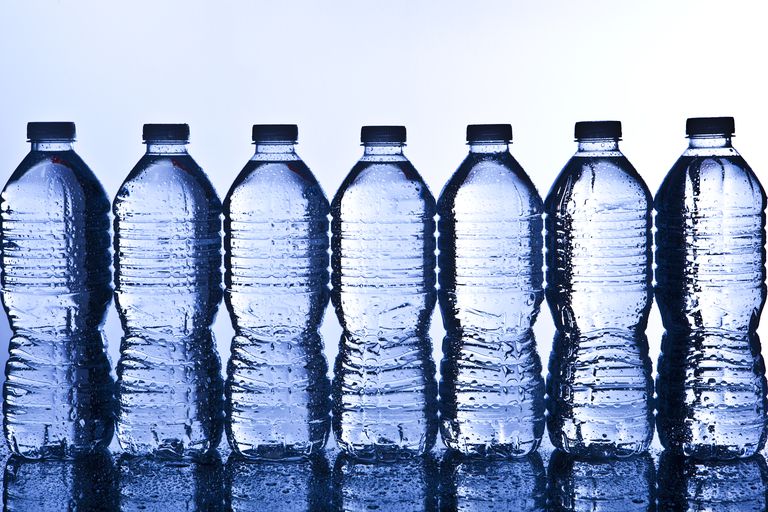
Global growth in value sales of bottled water is evident, with many Asia Pacific, Middle East and Africa and Latin American markets growing at an elevated rate. However, such large and growing consumption puts stress on domestic natural water resources and the environmental impact of producing and recycling large volumes of PET bottles. Water scarcity and access to potable water remains a major concern in many developing countries. Public pressure for the curtailment of unsustainable use of water is now affecting the commercial operation of beverage production companies in some regions e.g. Coca-Cola and PepsiCo in India. Climate change and increasing urbanisation will put increasing pressure on the management of water resources for agriculture, industry and human consumption. In packaging terms, PET is coming under growing pressure from a sustainability perspective as the introduction of this packaging format into many products and new markets is rapidly increasing the need for viable, profitable and extensive recycling options. It is estimated that annual consumption of plastic bottles is set to top half a trillion by 2021, far outstripping recycling efforts and jeopardising oceans, coastlines and other environments.

Beverages is the largest category, with soft drink dominating overall sales. Forecast growth to 2021 is strong at a 2.5% CAGR with stronger growth in hot drinks as many consumers switch to the health benefits of tea, different varieties of coffee and other hot drinks. Sugar-laden carbonates are suffering in many markets as consumers search for healthier, reduced/no sugar alternatives such as hybrid juice drinks, low-fat flavoured milks and bottled water. Dairy is forecast to grow at a 2.3% CAGR to 2021. Improved cold chain infrastructure in major markets such as Latin America, Asia Pacific and Middle East & North Africa is supporting growth in fresh, chilled milk, yoghurts and cheese products with nutritious dairy products fitting well within the global interest in healthier foods. Lactose-free milks are also growing as consumers look for more easily digestible alternatives, in many markets. Pulses, grains and cereals are becoming more popular elements in a healthy diet with CAGR of 2.3% forecast to 2021. Wider availability and niche products, such as buckwheat or quinoa, specialist aromatic rices, ancient grains such as spelt, farro or kamut and seeds like chia, pumpkin and sesame, are increasingly used as ingredients in foodservice. Home cooks are now embracing these ingredients as healthy sources of nutrition, vitamins and essential oils. Growth is strongest in Sub-Saharan Africa where many of these products are staple elements of a traditional diet, but there is also strong demand in Latin America and Middle East & North Africa. Meat and poultry is the slowest growing category at CAGR 1.3%, directly influenced in mature markets by increasing numbers of flexitarians, vegetarians and vegans. Lower annual consumption of meat and poultry is also occurring in these markets as part of the development of healthier lifestyles. Major manufacturers are working to broaden their product portfolios as the trend towards plant-based protein and meat substitutes gathers pace. In emerging markets, beef and poultry sales are growing as chilled and frozen products gain wider accessibility as cold chain infrastructure expands. Edible oils, although a small category, is the fastest growing product category as demand, volume sales and price increases. CAGR growth to 2021 sits at 3.7% globally. Olive oil is the most dynamic category responding to growing health concerns worldwide as the demand for natural, low processed, pure oils increases in all markets. Blended oils, palm and soya oils are also seeing growth driven by population expansion but, in many markets, are suffering from poor perceptions in terms of healthiness and heavy processing methods.
Preliminary request for participation in the trade show
place
calendar_today
Preliminary request for visitor registration
Visitor Registration
place
calendar_today