

Video Report: Dubai Food Festival 2016
folder_open Foodstuff Market , News
Read the latest updates and editorial analysis on African beauty markets and events.
The Art of Finding The Choicest Meat Cuts
folder_open Foodstuff Market , News
Read the latest updates and editorial analysis on African beauty markets and events.
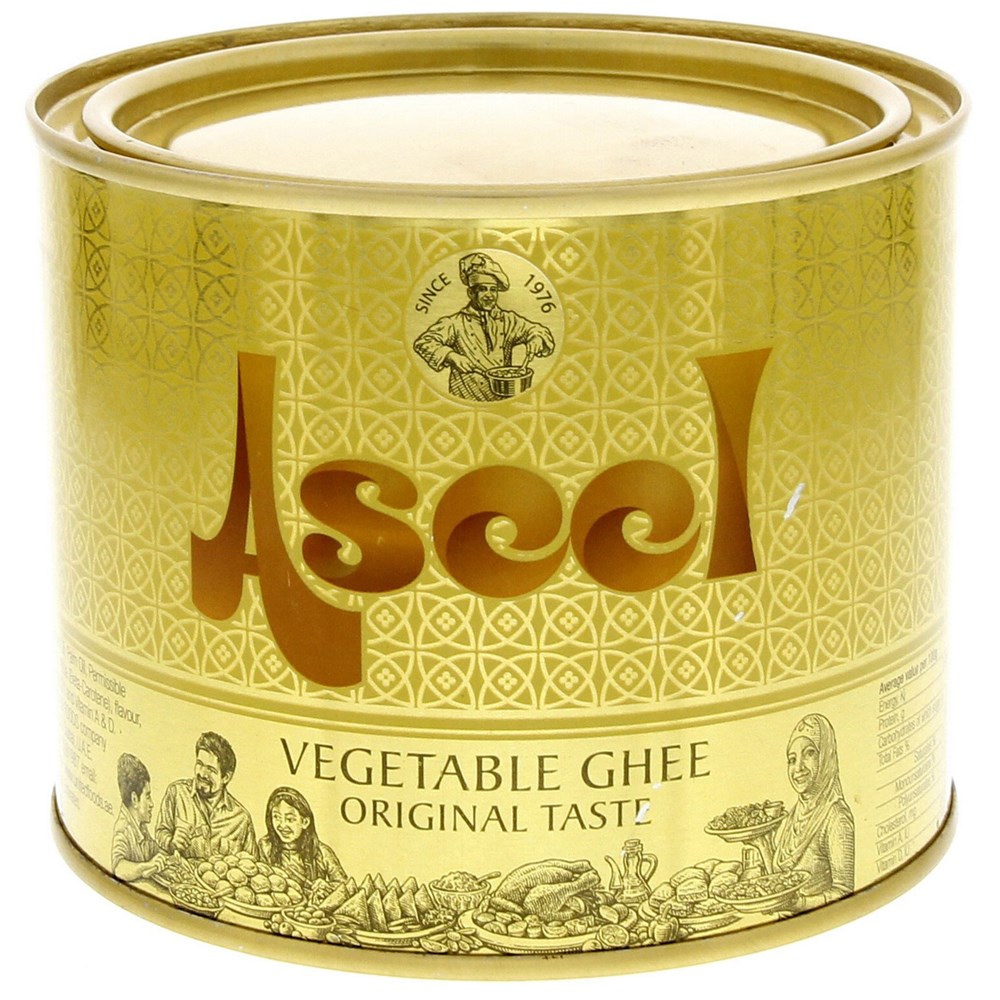
United Foods Company (UFC), a leading Emirati food company in the Middle East has extended its product range by introducing new products under its flagship brand Aseel on (Sunday, February 21, 2016). The company has launched ‘Aseel Trans Fat Free Ghee’ to offer its consumers with more options in healthier food and extend into ‘Arabic Traditional Food’ category with ‘Aseel Tahina.’ UFC’s flagship brand Aseel is a leading Ghee brand in the Middle East and the company announced the launch of the first Trans Fat Free Ghee in the region. Following the launch of Aseel Extra Virgin Olive Oil last year, the company has introduced Aseel Trans Fat Free Ghee in line with its continuous efforts to bring out healthy and tasty products that effectively addresses the growing health concerns of the region. ‘Aseel Trans Fat Free Ghee’ has been developed to resonate with consumer sentiments of health and wellness. A new generation product with premium buttery flavour and significant health benefits is available in two variants of Aseel Trans Fat Free Ghee with the goodness of Sunflower Oil’ and ‘Aseel Trans Fat Free Ghee with Canola Oil’ which is rich in Omega 3 and known to be heart healthy. Fethi Khiari, CEO of United Foods Company UFC’s second offering, Aseel Tahina is made from the finest sesame seeds procured from Ethiopia and prepared by one of the best and oldest Tahina master makers in the Levant region. It is packaged after 35 stages of processing, including refining, filtering, peeling, washing, roasting and grinding without additives. Gluten-free and an important source of iron, Tahina is used as a dressing, marinade or a vital ingredient in Levantine cuisine such as hummus. Fethi Khiari, CEO, United Foods Company, said: “We are proud to mention that Aseel is the No.1 Ghee brand in UAE and other markets in the region. Aseel Ghee owns more than 70% volume market share in UAE and has a strong leadership in other countries, he added. We are also happy to celebrate 40th Anniversary of our company. This embodies our expertise in the Ghee segment and strong understanding of edible oils business in the region. UFC takes the lead to launch the first Trans Fat Free Ghee in the region to offer a heart-friendly product, thereby addressing the health concerns of the consumers. We have introduced ‘Aseel Trans Fat Free Ghee’ after rigorous R&D to change the perception of consumers about Ghee and address their health issues. Its two variants will be preferred for their taste as well as help to gain health benefits, such as keeping weight under control and reducing the risk of coronary diseases along with a balanced diet combined with exercise. In addition, we have made a headway into ‘Arabic Traditional Food’ segment with the launch of ‘Aseel Tahina.’ It is a healthy and nutritious product which is used as a base for numerous Arabic delicious recipes.” We are confident of re-staging Aseel to new heights with the launch of these new products. We urge visitors to come to UFC’s stand to learn more about our new as well as existing range from our portfolio of brands including Aseel, Mumtaz , Nawar and Safi” concluded Khiari.

Tetra Pak Connects With Its Customers
folder_open News
Tetra Pak, the world leading packaging and processing solutions company, was once again present at Gulfood 2016, the world’s biggest annual food and hospitality show held at the Dubai World Trade Centre. An industry leader, Tetra Pak, under the theme “The Difference” – bringing innovation, value and leadership – welcomed its customers to the ‘Connect Lounge’, the company’s platform for connecting and knowledge exchange at the show. Amar Zahid, President, Greater Middle East & Africa (GME&A) for Tetra Pak said: 'Gulfood is an excellent opportunity for Tetra Pak to connect with customers attending the show. Our “Connect Lounge” provides an environment that allows us to highlight the latest market trends, innovations and technology.' He added, 'We are continuously working with our customers to understand their challenges and to provide real solutions as well as insights to drive growth for their businesses.” Tetra Pak’s “Knowledge Series” seminars will take place at the Connect Lounge this year, and will include a number of key topics related to Tetra Pak customers’ businesses. With prior registration required, sessions include innovations in combating obesity, insights into food protection, package design and marketing best practice, the use of social media to drive business, operational cost reduction, and new products and innovations. Having operated in The Greater Middle East & Africa, one of its biggest regions, for over 50 years, Tetra Pak has developed long-standing partnerships with over 400 leading food manufacturers. With a presence in 49 countries, 21 sales offices and five packaging material plants, the company has delivered 28 billion packages, primarily in juice and dairy product categories, to the region last year.
Rwanda tightens rules on food safety
folder_open News
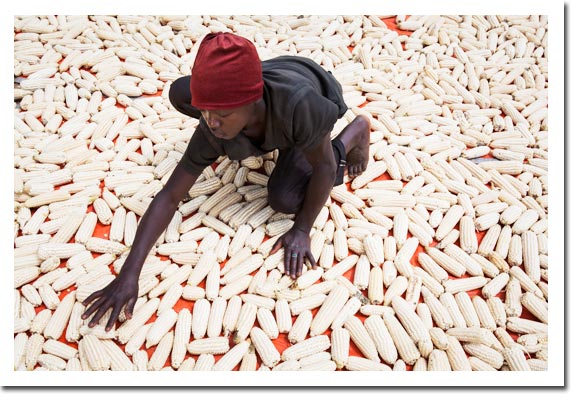
Low quality processed foodstuffs and beverages will be eliminated from the Rwanda market according to the Rwanda Standards Board (RSB). The prime regulatory body for all kinds of foodstuff and beverages in Rwanda, the Rwanda Standards Board has notified manufacturers and processors of all kinds of food items to register their products with its quality assurance unit. Failure to register locally manufactured foodstuff will attract penalties, according to the RSB notice. The director for quality assurance at RSB, Phillip Nzaire said the move aims at ensuring quality in the sector to make Rwanda’s agro-products competitive, as well as safeguard people’s lives by increasing food safety. Nzaire noted that the exercise is also intended to develop a database to ease government planning, especially infrastructure development for the sectors. “We also want to keep track of the processors, monitoring their products, and what kinds of interventions we can make to help improve production processes of local industries,” he added. Processors of food items and manufacturers of whole wheat flour, millet flour; sorghum grains, dry beans, edible full fat, soybean flour, pasta products, fortified milled maize, mortified malt, fortified edible oils and fats, fortified sugar, cooked packaged maize, black tea, roasted coffee beans and roasted ground coffee are being targeted. Makers of honey, milk and its products; beef, cakes, cookies, fruit jams, jellies and marmalades, peanut butter; chilli sauce, ground cassava leaves (Isombe), among others, need also to register their products with RSB. Damien Hakizimana, a wine maker in Nduba Sector, Gasabo District, said the exercise is timely, adding that it is only through quality assurance that Rwandan products can become competitive locally and in the region. “We need to register products to create confidence among the public about food items made locally… It will help us to be competitive on the regional and international markets,” Hakizimana said. According to Alice Mukamuganga, another food processor in Kimironko, consuming quality food is a right, which local processors must respect by registering their products with RSB. Laetitia Nyiraneza, a consumer of fortified products from Niboye sector, Kicukiro District, supported RBS’ move, saying some companies operate illegally and produce low quality food items. John Gakumba, another consumer, said he bought juice made by a local company and found it was well past its expiry date. Industry experts believe the new regulations will ensure that Rwandan people have access to high quality food items and puts food security as a priority for local manufacturers and importers of foodstuff in Rwanda.
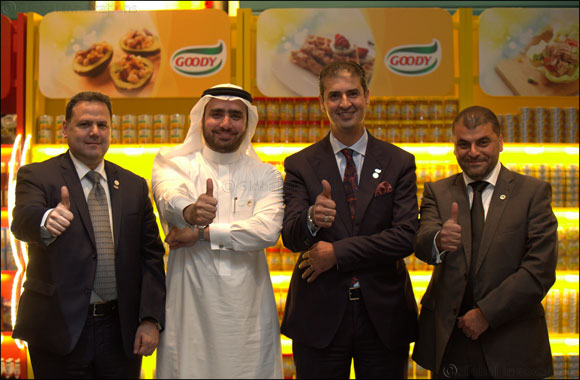
GULFCO gets exclusive distributorship for Goody packaged foods for the UAE
folder_open Health Foods , News
Goody, the region’s leading packaged food business from Saudi Arabia, has entered an exclusive partnership with GULFCO. The agreement will see the brand meet the UAE’s demand for quality packaged food. The SAR 1 billion-valued business is growing beyond the boarders of the Kingdom, with designs on bringing quality food products to the family tables of the UAE. Goody was started by Ahmed Saied Basamah in 1969, with a vision to be a leader in the regional packaged food sector. He recognised a need to support women in their homes, driving good nutritious balance for Saudi families and sourcing the best quality foodstuffs from leading food producing countries around the world. With an initial launch of its core ranges; pasta, tuna, peanut butter and canned corn, Goody will look to grow its UAE market share. The company has identified the country as the second most important economy in the Gulf Cooperation Council (GCC) at AED 16 billion; a 3% growth over last year for the FMCG sector. “With one of the most dynamic food and beverage sectors in the region, entering the UAE now allows us to target both the domestic and trade arenas, providing quality packaged foods and diversity of choice to customers. Partnering with GULFCO allows us to facilitate a smooth entry, and provides us with access to the UAE’s leading retailers and traders, through their longstanding and committed relationships,” said Khalid Temairik, General Manager of Goody. The UAE has the highest levels of urban development in the GCC, with access to the most modern trade channels. Goody insists on strong market research to understand the habits of consumers, and will leverage its partnership with GULFCO to fully immerse itself in the UAE market. GULFCO (Gulf Trading & Refrigerating LLC) has been a leading distributor of FMCG (Fast Moving Consumer Goods) in the UAE since 1962, and its relationships with leading trade channels provides Goody with the best possible access to established retailers in the packaged food sector. Goody has an initial target of 400 plus stores in modern trade and 500 stores in traditional trade, with a growth potential to 11,000 stores across the country. Goody has identified the UAE as its first priority in growing the brand across the region, which also allows the brand to tap in to the country’s immense HORECA (Hotel/Restaurant/Café) business, which could represent up to 50% of Goody’s business in emirates. “Goody represents decades of trust and quality from the region that families and professionals have come to respect and trust. This partnership provides us with the opportunity to offer more choice to our customers, while giving consumers quality products, made in the region, and designed to cater to the modern way of life,” said Mr. Khaled Issa Chief Operating Officer at Juma Al Majid Group, the partner company of GULFCO.
Thousands of delegates are expected to attend world’s biggest international conference on halal tourism - an industry now worth over $150 billion. The Halal Tourism Conference 2016 is being held on 3-5 May 2016 in Konya, Turkey and will bring together some of the world’s leading names in the travel industry. Themed “Developing Halal Tourism Industries” the two-day event will feature a number of keynote speeches, panel discussions and workshops and will also see new campaigns and projects launched. Alongside the conference, there will also be a three-day exhibition featuring over 100 businesses from across the world. Over 1,000 delegates from all over the world are expected to attend including tourism boards, travel agencies, tour operators, hotels and airlines. This year’s event will also feature from Hajj and Umrah providers, financial institutions and food and drink businesses. It is the second time the event is being held in Europe following the success of the inaugural event in Andalucía, Spain. A recent study has revealed that in 2015 the estimated total Muslim visitor arrivals were 117 million representing close to 10% of the entire travel economy. This is forecasted to grow to 168 million visitors by 2020 and 11% of the market segment with a market value projected to exceed $200 billion. The Halal Economy that encompasses the Halal Tourism, Halal Food, Halal Clothing, Halal Cosmetics and Pharmaceuticals among others is poised to grow over the next few years. Valued at approximately US$3.2 trillion in 2012, the halal sector is forecasted to increase to US$6.4 trillion by 2018. A study by Pew Research Centre has found that the world’s Muslim population will grow at 35% over the next decade, which is around double the rate of the non- Muslim population. This will bring the Muslim population from 1.6 billion in 2010 to 2.2 billion by 2030. Thomson Reuters has predicted that the Islamic tourism market is projected to be worth US$181 billion by 2018. Recognising the potential in the rapidly growing Muslim population, and the increasing demand for halal alternatives in various retail sectors, many countries including non-muslim countries are already jumping on the bandwagon and opening up their markets for Muslim capital and tourists. According to the 2014-2015 report by Thomson Reuters on the State of the Global Islamic Economy the global Muslim spending on travel (outbound) has increased 7.7% to reach $140 billion in 2013(excluding Hajj and Umrah). This is 11.6% of the global expenditure and is expected to reach $238 billion by 2019. Top source countries of Muslim tourists based on 2013 expenditure were: Saudi Arabia ($17.8 billion), Iran ($14.3 billion), United Arab Emirates ($11.2 billion), Qatar ($ 7.8 billion), Kuwait ($7.7 billion), and Indonesia ($7.5 billion). Meanwhile, Malaysia, UAE and Singapore lead the Halal Travel Indicator that focusses on the health of the family-friendly/Halal Travel ecosystem a country has relative to its size. Organiser Bilal Domah, from CM Media, based in UK, said the 2016 conference would be the biggest seen in Europe. He said: “The Halal travel sector is now at a critical stage of its development and this conference will reflect the trends of the market. “The event will seek to move the debate on to where the sector is heading and how the various industries that form Halal tourism can be developed. “We have some of the most renowned names in the sector who will be part of a very exciting event that will shape the future of the halal tourism industry. “Our first event in Spain was a ground-breaking event and we are confident that through our experience and partners this will be another memorable event. 'This is a not-to-be-missed chance to get businesses across the world together to showcase what’s planned for the industry going forward and it’s going to be another exciting event.” Confirmed guest speakers at the event will include Dr. Bandar, Fahad al Fehaid, Delegation of Arab Tourism Organization of the Arab league, Fazal Bahardeen, CEO of Crescentrating & HalalTrip, Simon Coombs, President & CEO – Shaza Hotels, Irfan Onal, Director General, Ministry Of Culture and Tourism Promotion and Rafi-Uddin Shikoh, CEO of Dinar Standard. The conference will be hosted alongside an exhibition which will last for three days with the final day opened to trade and public. It will feature over 100 exhibitors from Turkey and the rest of the world. The Halal Tourism Conference 2016 takes place from the 3rd to 5th May 2016 at the Mevlana Cultural Center in Konya, Turkey.
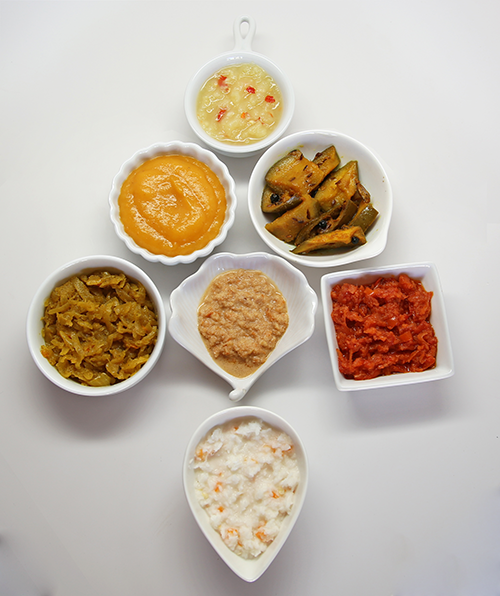
The History of Tanzanian Culinary Delicacies
folder_open News
Surrounded by Kenya, Rwanda, Burundi and Malawi on Africa’s east coast, Tanzania, is renowned for its snow-capped Mount Kilimanjaro – Africa’s highest mountain – its wild life safaris, its tropical beaches, for Lake Victoria, Africa’s largest lake, Lake Tanganyika, Africa’s deepest lake, the majestic Kalamba Falls, and for the spice islands of Zanzibar. Less known is Tanzania’s distinctive cuisine. African foods are influenced by prior centuries of colonization, migration, and trade routes. Tanzania’s current population of more than 100 different ethnic groups, including people of Asian, Middle Eastern and European origin underscores its varied past and makes it the only country in Africa whose cuisine shows the influence of countries all over the world. And then there are the spices that make Tanzanian cuisine special – the use of coconut, cardamom, garlic, saffron, turmeric, and pilau masala – a unique mix of black pepper, ginger, cinnamon, cardamom, cloves and cumin used in many rice and stew recipes.


Reshaping the African Coffee Industry for Productivity & Investment The African Fine Coffee Conference & Exhibition is Africa’s largest coffee trade platform that – over the three days of the event – brings over 2,000 regional and international coffee roasters, traders, producers, professionals and connoisseurs under one roof! The 15th African Fine Coffee Conference and Exhibition will be held from 15th – 17th February 2017 at the Millenium Hall, in the heart of Addis Ababa, Ethiopia, one of Africa’s specialty coffee countries. The event will have a fantastic line-up of international and regional internationally acclaimed speakers, spouse programs, coffee field visits and recreational activities. The event will have a fantastic line-up of international and regional internationally acclaimed speakers, spouse programs, coffee field visits and recreational activities. The exhibition area has increasingly been regarded as pivotal in providing a unique opportunity to exhibitors showcasing the best coffees and affiliated services providing ample opportunity to network with coffee luminaries from all over the world. This will be the perfect platform for gathering valuable coffee information, building trade relations and buyer and seller interaction. And, as always with every AFCA conference, there will be a full program of exciting social activities including spouse programs, Coffee Field Visits and recreational activities. Traveling to Addis Ababa for the 15th African Fine Coffee Conference and Exhibition? If so, please take advantage of the amazing discounted fares that Ethiopian Airlines is offering delegates! Please note the 15% discount is only applicable to Ethiopian Airlines Travel Routes. What is the African Fine Coffees Conference & Exhibition? The African Fine Coffee Conference and Exhibition is Africa’s Largest Coffee Trade Platform that brings coffee roasters, traders, producers, professionals and connoisseurs under one roof. Delegates hail from all over the world namely Germany, South Africa, USA, Switzerland, Japan, China, The Netherlands and Italy. The first African Fine Coffees Conference and Exhibition was held in February 2004 in Nairobi, Kenya to attempt to strengthen the producer – buyer relationships. Since the then the conference has grown immensely with over 2000 attendees at the 14 th African Fine Coffee Conference and Exhibition held in Dar es Salaam, Tanzania in February 2016. The conference provides a fantastic line up of internationally acclaimed speakers and a wonderful exhibition area vital to companies showcasing the best coffees and affiliated services. The conference is the Africa’s leading platform for gathering valuable coffee information, building trade relations and buyer and seller interaction. The conference further provides delegates with a unique opportunity to celebrate the host country’s unique coffees and beauty through its coffee safaris and themed side social events. Coffee, as a commodity, has continued to play a leading role in the economy of Ethiopia, contributing between 24% to 26% of it’s economy. It is also a source of income of a quarter of the population of Ethiopia. Even at the world renowned Ethiopia Commodity Exchange it contributes over 43% of the volume and 60% of the value of all commodities traded. The Ethiopian industry has seen several million dollar investments into the sector over the last five years along the entire value chain. This conference will seek to understand lessons we can learn from Ethiopia as well as other active investors in the region on their long term view of the African Coffee and why Productivity is going to be key for Africa in the next 10 years. WHY YOU MUST BE IN ADDIS ABABA IN 2017 Visit the Birthplace of Coffee Over 80 Exhibitors from Around the World Cup 40 of the Top Coffees from Around Africa Over 140 Business to Business Meetings between Buyers and Sellers Over 20 Top Notch Presenters and Discussions Make 100s of Coffee Friendships to last for a lifetime!

So Many People, So Little Land
folder_open News
As drought and famine threaten millions of lives in the horn of Africa, global food security — or rather insecurity — is at the forefront of development discourse. What’s more, Harvard University demographers forecast last week that before the end of the year, the world’s population will reach 7 billion. In light of these daunting statistics and what the United Nations is calling “the worst humanitarian disaster in the world,” one cannot help but wonder: how will the planet continue to feed itself? To find an answer, international aid agencies are searching for the roots of famine. Some problems contribute more directly to food shortages than others — in the case of East Africa, climate change is severely restricting crop yields and driving up prices. Studies show that crop-killing droughts in Somalia have become more frequent and long-lasting over the past fifty years. From 1950 to 1970, they came roughly once every seven years. Since 2000, Somalia has suffered three major droughts. But as the world grapples with and tries to learn from the East African famine, experts are arguing that food shortages and high prices in the developing world are also attributable to a lower-profile issue: irresponsible land use. For instance, in recent years the Ethiopian and Kenyan governments have evicted local farmers to sell their land to agribusinesses from China and India. While these sales generate governmental revenue, the agribusinesses generally produce solely for foreign markets and leave local food markets strained. A report by the International Food Policy Research Institute announced that between 15 and 20 million hectares of farmland in Sub-Saharan Africa were sold to foreign interests between 2006 and 2009. Another hot-button land issue in the developing world stems from the expansion of the global biofuels industry. In another type of land deal, governments are leasing available farmland to biofuel plants, forgoing traditional agricultural production and driving up food prices both locally and globally. During the international food crisis of 2008, for example, the IMF estimated that increased biofuel demand accounted for 70 percent of global corn price increases and 40 percent of soybean price increases. So while land deals provide income for developing nations, unless that income is re-invested in infrastructural or agricultural development (which it often isn’t), they may leave populations vulnerable to famine during emergencies like the East African drought. To combat short-term thinking and its adverse effects, we have to demonstrate the benefits of long-term investment in responsible land use. CI is making the case for sustainability as a top priority in field program countries through participatory land use planning, a process which encourages local input in determining the best use of land from both conservation and economic perspectives. To put the food security issue in perspective, Harvard’s research predicted that 97 percent of the projected population increase of 2.3 billion over the next half-century will occur in underdeveloped nations. The population may be surging, but we have a fixed amount of land to work with. Managing it with a short-term mindset only creates problems down the road. We have a lot of work to do — 2050 is just two generations away.
Preliminary request for participation in the trade show
place
calendar_today
Preliminary request for visitor registration
Visitor Registration
place
calendar_today